Ford F-150 EcoBoost 3.5L Gen 1: Specs, PCM, Timing Chain & Maintenance
Ford · Gasoline engine
EcoBoost 3.5LF-150 · Generation 1
The original F-150 EcoBoost combines V6 packaging with 420 lb-ft of towing torque. Its direct-injection fuel system and timing-chain service history are useful checkpoints when buying or maintaining one.

Specifications
Engine construction
- Layout
- V6 · DOHC · Ti-VCT
- Block / heads
- Aluminium / aluminium
- Cam drive
- Timing chains
- Installation
- Longitudinal · truck
Fuel & boost
- Induction
- Two turbochargers · intercooler
- Injection
- Gasoline direct injection
- Ignition
- Coil on plug
- Transmission
- Six-speed automatic
Vehicles & factory output
| Engine variant | Vehicle | Model years | Platform | Factory rating |
|---|---|---|---|---|
| Truck Gen 1 3.5L | Ford F-150 | 2011–2014 | P415 | 365 hp / 420 lb-ft |
| Truck Gen 1 3.5L | Ford F-150 | 2015–2016 | P552 | 365 hp / 420 lb-ft |
The first-generation truck engine continued through 2016. The later 2017 engine introduced port-plus-direct injection and the ten-speed pairing.
Engine controller
| Application | Supplier & family | Hardware / identification |
|---|---|---|
| F-150 · 2011–2016 | Bosch MEDG17.0 | TC1797; original truck-generation control family. |
| Expedition · 2015–2017 | Bosch MEDG17.0 | Separate torque/transmission calibration. |
The PCM controls direct injection, electronic throttle, variable cam timing and turbo boost. A calibration update may be part of a TSB repair, but mechanical chain or ignition faults still require diagnosis. Match the complete Ford engineering/service number, supplier hardware ID and diagnostic strategy/calibration ID. The same engine size can use different modules; processor names alone do not identify an ECU.
Catalogue entries identify application families, not a guaranteed ECU for every build year. Confirm the installed unit.
Common faults & maintenance
- Cold-start timing-chain rattle. TSB 18-2305 covers certain 2011–2015 F-150s built through May 29, 2015. Follow its diagnosis for the affected condition rather than replacing timing parts for every brief sound.
- Misfire under load. Check plug wear and gap, coils, fuel pressure and charge-air condition. A flashing warning lamp or repeated misfire can damage the catalyst if ignored.
- Oil leaks and turbo plumbing. Inspect oil supply/return connections, cooling hoses and charge-air joints. Investigate smoke or low boost before replacing a turbocharger.
Keep it healthy. Use the Ford oil specification and viscosity for the exact model year. Follow the normal or severe-use schedule for towing, extended idling, dust and repeated short trips; check oil and coolant between services. Diagnose deposits or poor running before prescribing cleaning intervals.
References
| Topic | Source |
|---|---|
| Factory output | Ford 2014 F-150 brochure |
| Specifications | Ford 2014 F-150 engine specifications |
| Cold-start rattle | Ford TSB 18-2305 |
| PCM programming | Ford IDS user manual |
| Hardware families by application | BitBox official application list |
| Vehicle hardware applications | Alientech live vehicle catalogue |
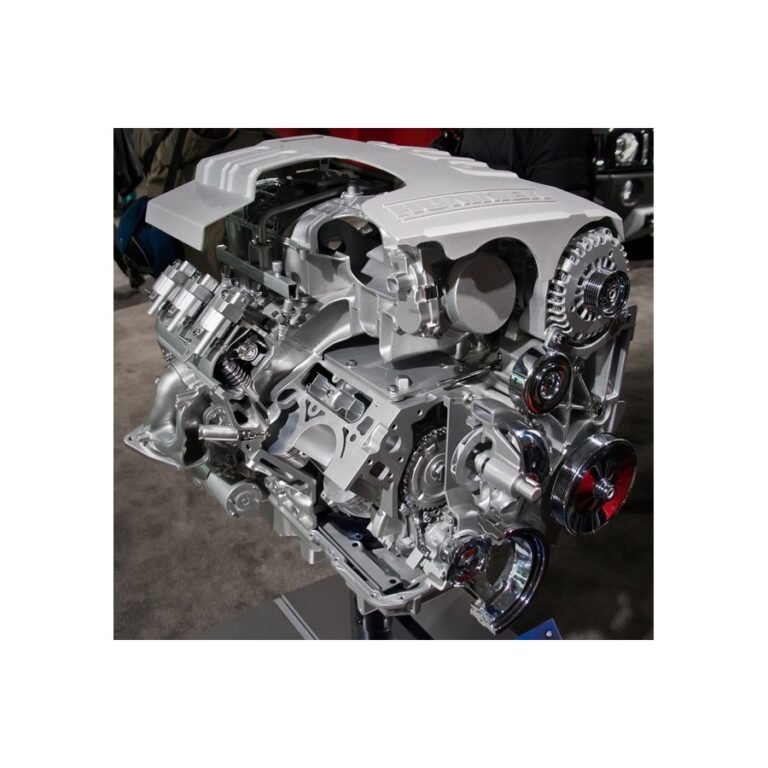
| Engine photo | F-150 3.5L EcoBoost cutaway. Photo: Dana60Cummins · Public domain. Cropped/resized and square-formatted. |
Listed vehicles are selected North American applications. Ratings and equipment vary with model year, fuel and emissions specification. Verify the VIN, engine label and PCM identification before ordering parts or software. Service bulletins describe affected conditions and do not establish a failure rate or current warranty entitlement.