Volkswagen Audi EA211 1.4 & 1.5 TSI: Specs, Engine Codes & Maintenance
Volkswagen / Audi · Turbocharged petrol
EA2111.4 & 1.5 TSI
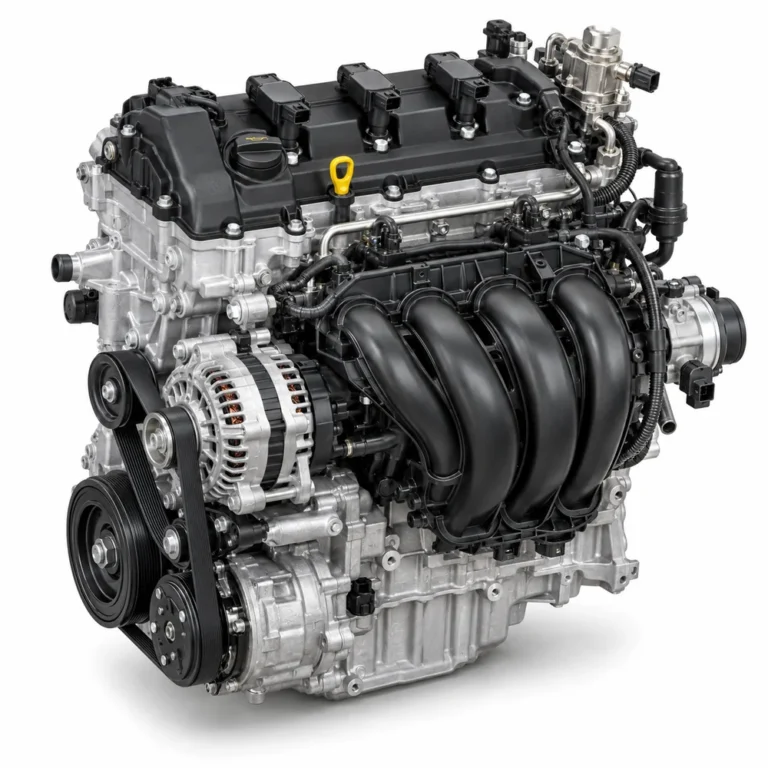
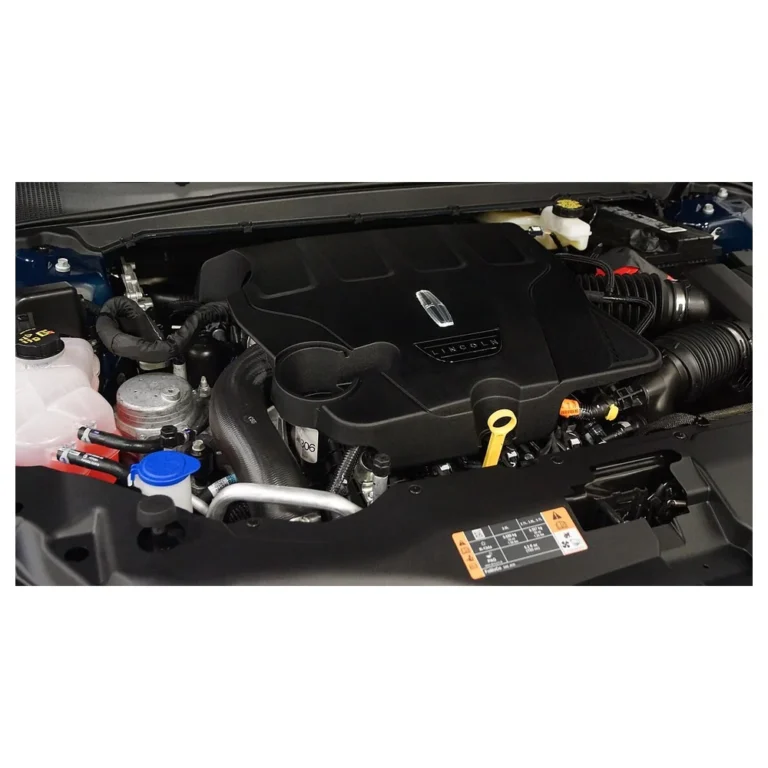
Small displacement, useful torque: the EA211 powers everyday Jettas and Golfs, the Taos, and two very different hybrids. Its aluminium construction and belt-driven cams keep the package light and compact. The important distinction is under the badge—1.4-litre, hybrid and 1.5-litre versions need different parts and software.
Specifications
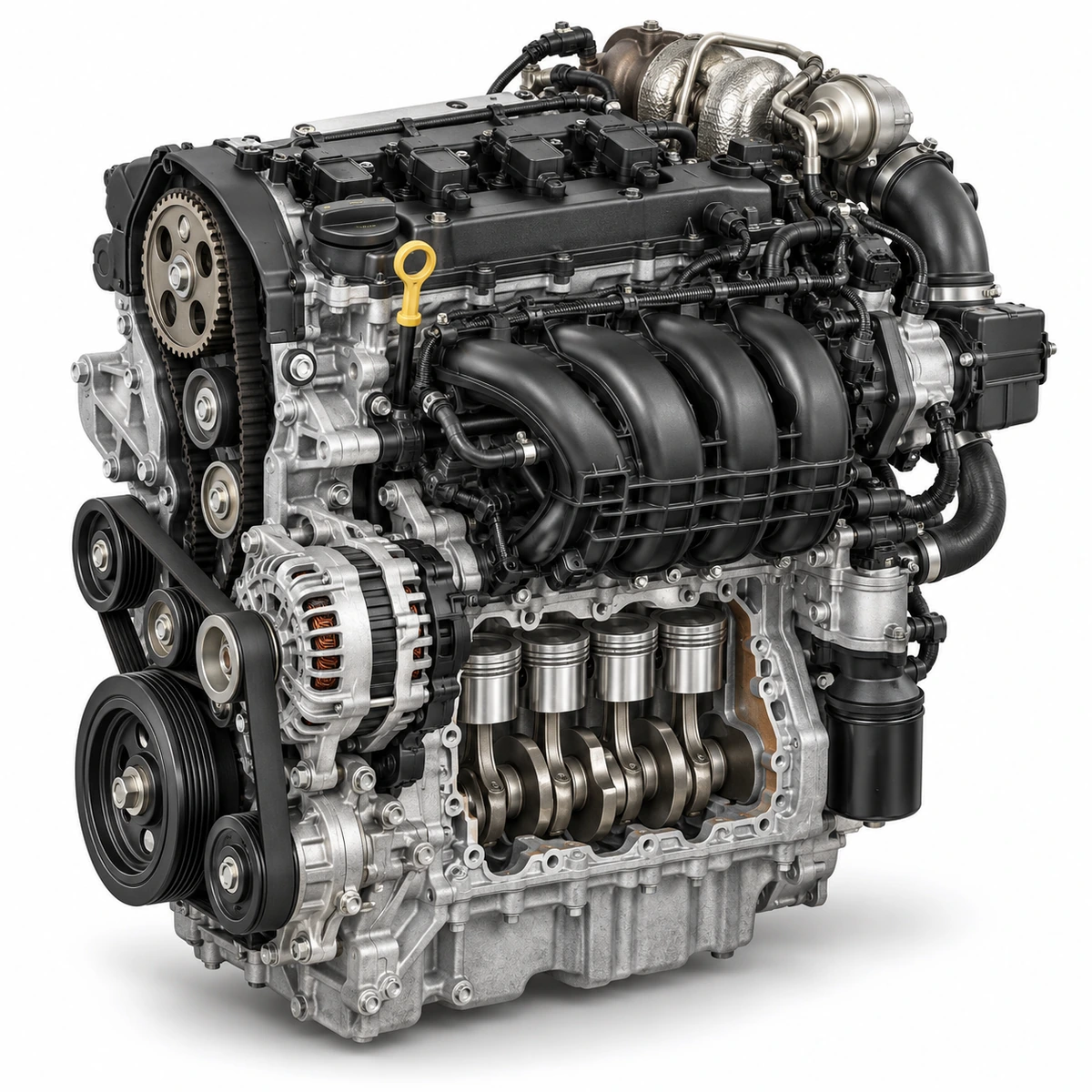
Architecture
- Block / head
- Aluminium / aluminium
- 1.4 bore × stroke
- 74.5 × 80.0 mm
- 1.5 bore × stroke
- 74.5 × 85.9 mm
- Installation
- Transverse
Air & timing
- Camshaft drive
- Toothed timing belt
- Fuel system
- Direct petrol injection
- Exhaust manifold
- Integrated in cylinder head
- 1.5 DNKA turbo
- Variable turbine geometry
Factory output
- Jetta 1.4 · CZTA
- 150 hp / 184 lb-ft
- Golf / Jetta · DGXA
- 147 hp / 184 lb-ft
- 1.5 · DNKA
- 158 hp / 184 lb-ft
- Hybrid system output
- Jetta 170 hp; A3 e-tron 204 hp
Engine management
- CNLA / CZTA
- Bosch MED17.1.6 / MED17.5.21
- DGXA / DJXA
- Bosch MED17.1.27
- CXUA · A3 e-tron
- Bosch MED17.1.21
- DNKA · 1.5 TSI
- Bosch MG1CS011
Output figures are North American advertised ratings. Hybrid figures are combined system ratings; the petrol engine alone is rated at 150 hp. This guide covers the 1.4 and 1.5 applications listed below through model year 2024.
Vehicles by engine code
| Engine code | Vehicle | Model years | Chassis |
|---|---|---|---|
| CNLA | Volkswagen Jetta Hybrid | 2013–2016 | Mk6 / 16 |
| CZTA | Volkswagen Jetta 1.4 TSI | 2016–2018 | Mk6 / 16 |
| DGXA / DJXA | Volkswagen Jetta 1.4 TSI | 2019–2021 | Mk7 / BU |
| DGXA | Volkswagen Golf 1.4 TSI | 2019–2021 | Mk7 / 5G |
| CXUA | Audi A3 Sportback e-tron | 2016–2018 | 8V |
| DNKA | Volkswagen Jetta 1.5 TSI | 2022–2024 | Mk7 / BU |
| DNKA | Volkswagen Taos 1.5 TSI | 2022–2024 | CL |
Selected U.S./Canadian applications. Codes can change within a model year; confirm the vehicle data label and ECU part number before ordering parts or software.
Common faults & maintenance
- Coolant loss. Inspect the pump, thermostat housing and hose connections. On affected 2022–2023 DNKA vehicles, VW also documents external head-gasket leakage; diagnose the source before replacing parts.
- Belt condition. Follow the exact vehicle’s inspection schedule. Oil contamination, cracking or damaged teeth need attention; one universal replacement mileage does not cover this family.
- Weak boost or misfires. Check plugs, coils, charge-air leaks and wastegate operation using fault codes and measured values. Symptoms alone do not prove a failed turbo.
- Oil and deposits. Use the specified VW oil approval and monitor the level. Inspect intake deposits when symptoms justify it; cleaning is condition-based.
Keep it healthy. Keep oil, filters and spark plugs on the vehicle-specific schedule. Short trips, sustained load and high operating temperatures may justify earlier oil service. Investigate falling coolant levels instead of repeatedly topping up.
References
| Subject | Source |
|---|---|
| Design & specifications | Volkswagen EA211 trainingAudi A3 e-tron trainingVolkswagen Taos press kit |
| Vehicle applications | Volkswagen build guideAudi build guide |
| Service information | VW head-gasket bulletin 15-23-01 |