BMW N20 2.0 Turbo: Specs, Engine Codes, ECUs & Maintenance
BMW · Engine information · U.S. & Canada
N20
2.0 turbo · Four cylinders, broad torque
The N20 delivers its strongest everyday punch low in the rev range. A twin-scroll turbo, direct injection and variable valve lift give this compact four-cylinder the response that made it a staple of BMW’s 28i models.

Architecture
- Engine code
- N20B20O0 · 28i specification
- Layout
- Inline-four · DOHC · 16 valves
- Construction
- Aluminium block and head
- Bore × stroke
- 84.0 × 90.1 mm
- Compression
- 10.0:1 · 28i
- Cam drive
- Timing chain
Fuel & control
- Injection
- Direct · solenoid injectors
- Fuel pressure
- Up to 200 bar
- Valve control
- Double VANOS + Valvetronic
- Cooling
- Electric coolant pump
- Turbo control
- Pneumatic or electric wastegate
- Management
- Bosch MEVD17.2.4 / 17.2.9
Engine controllers · Bosch MEVD17.2.4 / MEVD17.2.9
Both DMEs coordinate injection, ignition, variable valve lift, boost and torque requests from the transmission. The final suffix matters: these are different controller versions, even when the engine badge and advertised output match.
| Controller | Applications & timing | Technical distinction |
|---|---|---|
| MEVD17.2.4 | Early N20 production, including initial 2012-model applications | Infineon TC1797; associated with the early pneumatic-wastegate system. |
| MEVD17.2.9 | Introduced for N20 from July 2012 production in BMW training documentation | Revised injection control, including injector current/timing evaluation; used with later electric-wastegate applications. |
Build date is a starting point. Confirm the installed DME part number, software identification and wastegate hardware. N26 SULEV versions share some model badges but require their own engine and emissions identification.
Selected U.S. & Canadian vehicles
| Model | Chassis | Model years | Engine / factory output |
|---|---|---|---|
| 328i sedan / wagon | F30 / F31 | 2012–2016 / 2014–2016 | N20-equipped builds · 240 hp / 260 lb-ft |
| 528i | F10 | 2012–2016 | N20 · 240 hp / 260 lb-ft |
| X3 xDrive28i | F25 | 2013–2017 | N20 · 240 hp / 260 lb-ft |
| Z4 sDrive28i | E89 | 2012–2016 | N20 · 240 hp / 260 lb-ft |
| 228i / 428i | F22/F23 · F32/F33/F36 | 2014–2016 | N20-equipped builds · 240 hp / 260 lb-ft |
| X1 28i | E84 | 2013–2015 | N20 · 240 hp / 260 lb-ft |
This table covers the 240 hp specification. Lower-output N20 versions and N26 SULEV vehicles must be identified separately.
Common issues & key risks
Timing-chain guides. Earlier builds have a documented chain-and-guide wear concern. Rattles or timing faults need prompt inspection; BMW’s affected-build list largely ends in February 2015.
Oil-pump drive chain. Wear can create an rpm-related whine and threaten oil supply. Treat an oil-pressure warning as a stop-engine warning; check the chain module, not only the pressure sensor.
Valve-cover leaks & PCV. A leaking gasket causes wet edges and burning-oil smells. Breather faults can add whistling or rough idle; inspect the complete cover assembly.
Oil-filter-housing leaks. Ageing seals can leak oil or coolant. Locate the source and repair it before fluid reaches belts or the engine loses coolant.
Cooling & boost control. Pump or thermostat faults can cause overheating. On vacuum-wastegate versions, vacuum-system faults can cause underboost; test hoses and control operation before replacing a turbo.
Keep it consistent: Use the oil approval specified for the VIN. Adjust service to operating conditions, warm the oil before heavy boost and investigate new noises early.
References
| Topic | Source |
|---|---|
| Engine design | BMW N20 technical training |
| DME revision | BMW N26 technical training |
| Chain service | BMW SIB 11 03 17 |
| Chain & oil-pump drive | BMW SI B11 03 17 · affected builds |
| Valve-cover repair | FCP Euro · N20/N26 cover |
| Filter-housing repair | FCP Euro · housing seals |
| Vacuum & boost diagnosis | FCP Euro · N20 vacuum system |
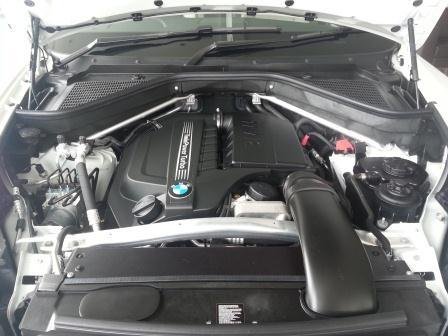
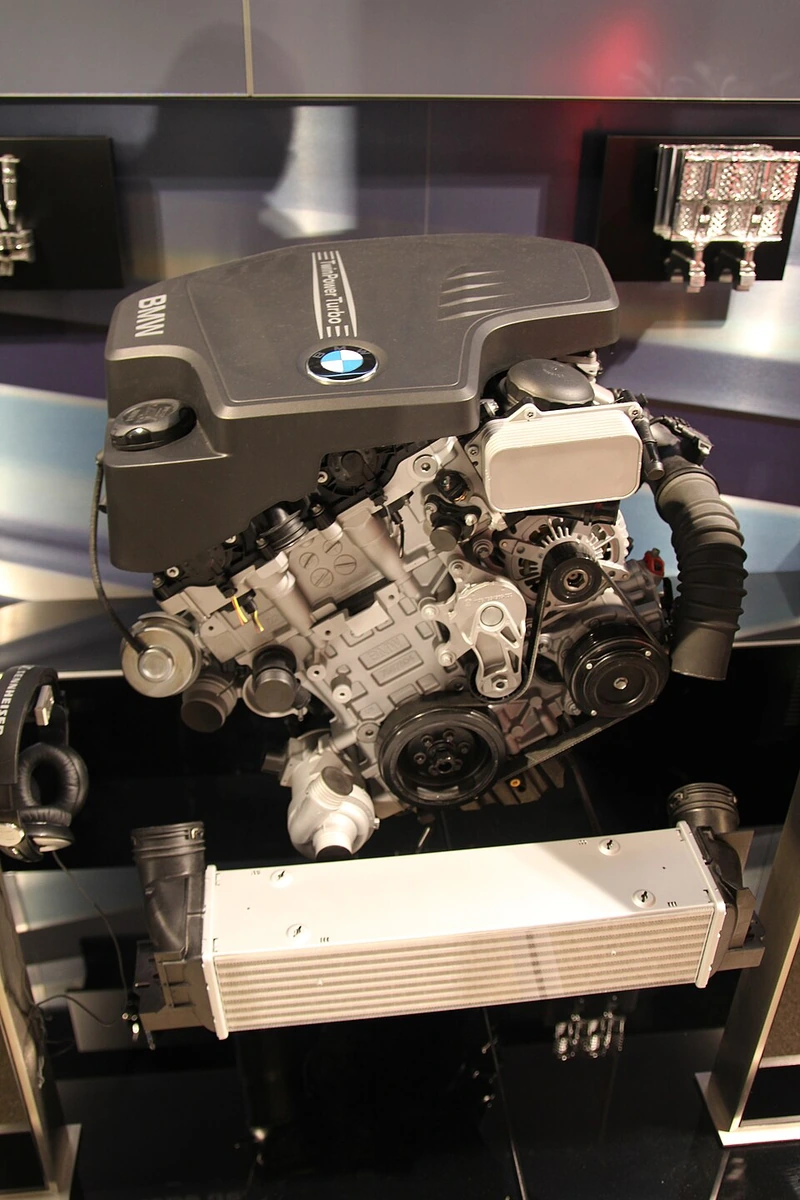
| Photograph | N20 · Hullie · CC BY-SA 3.0. Wikimedia Commons. |
Model years refer to selected U.S. and Canadian applications. Equipment and software vary by build. Use current BMW service information for diagnosis and repair.