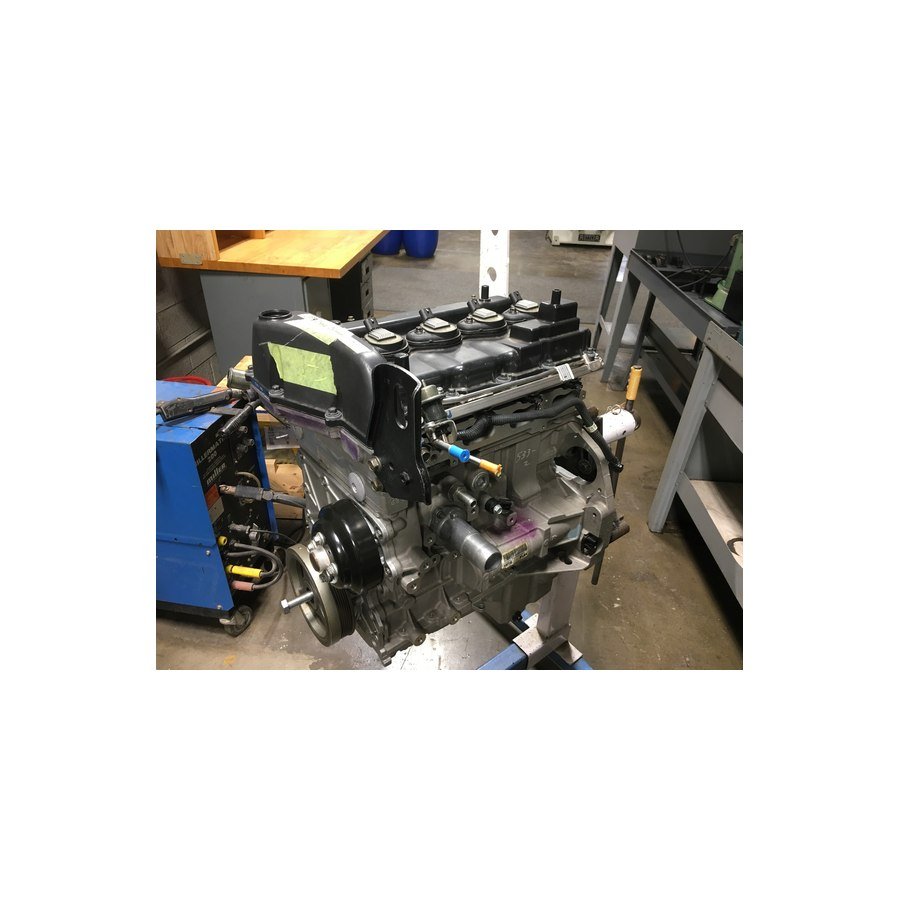
GM Atlas Vortec 2.9L LLV: Specs, Engine Codes, Controllers & Maintenance
Engine Information · GM · Atlas · revised four-cylinder
Atlas Vortec 2.9L LLV
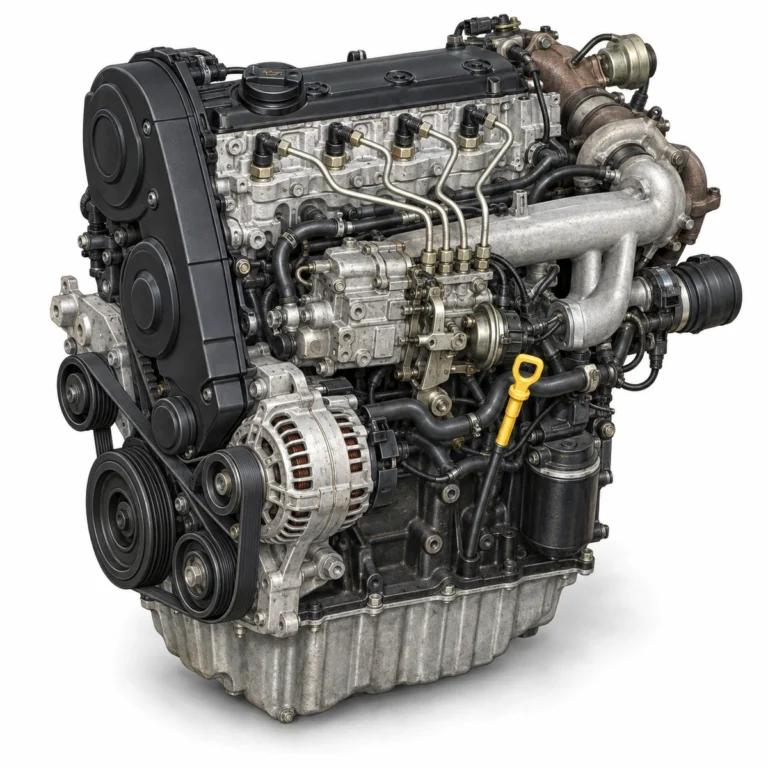
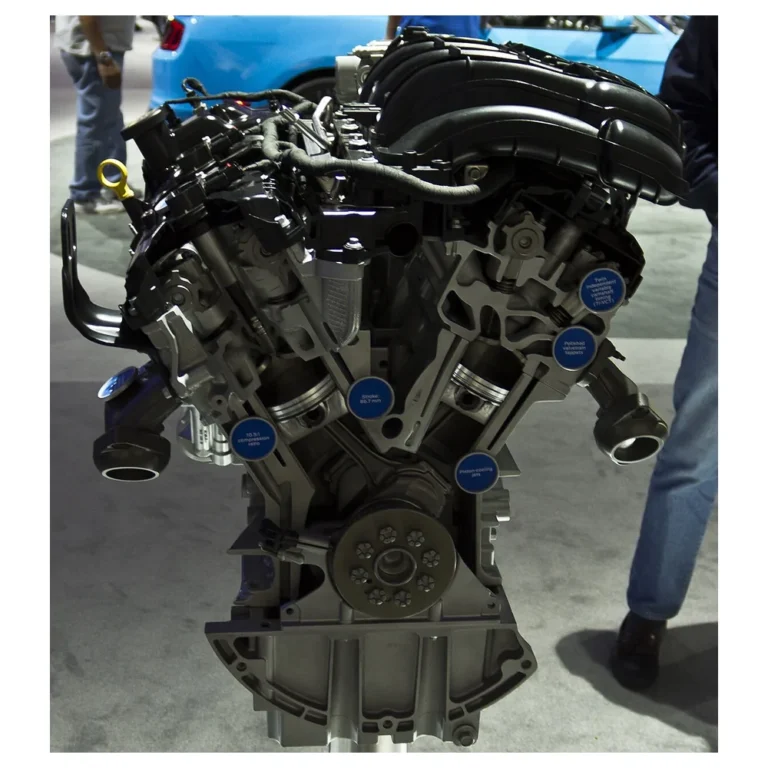
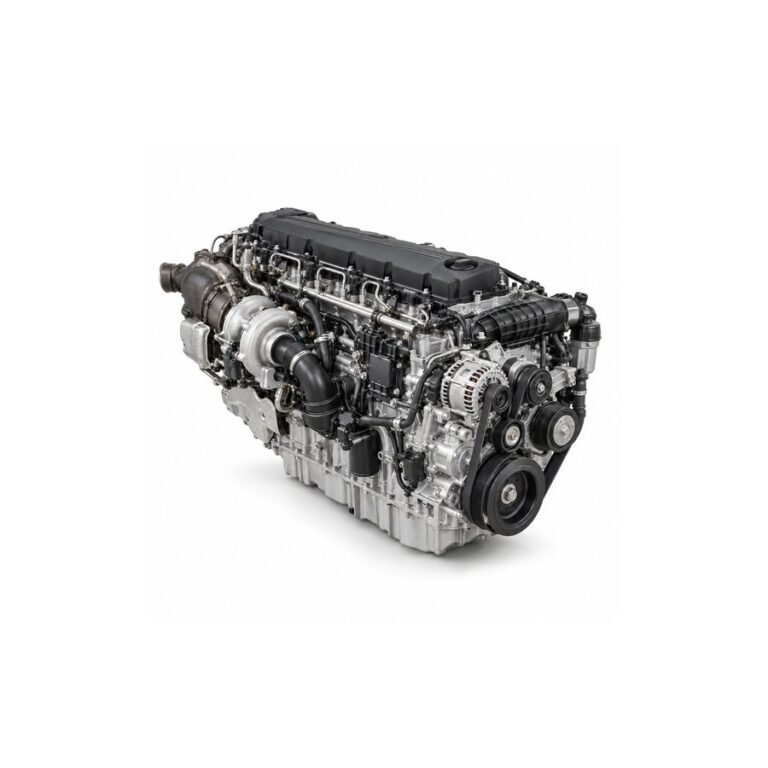
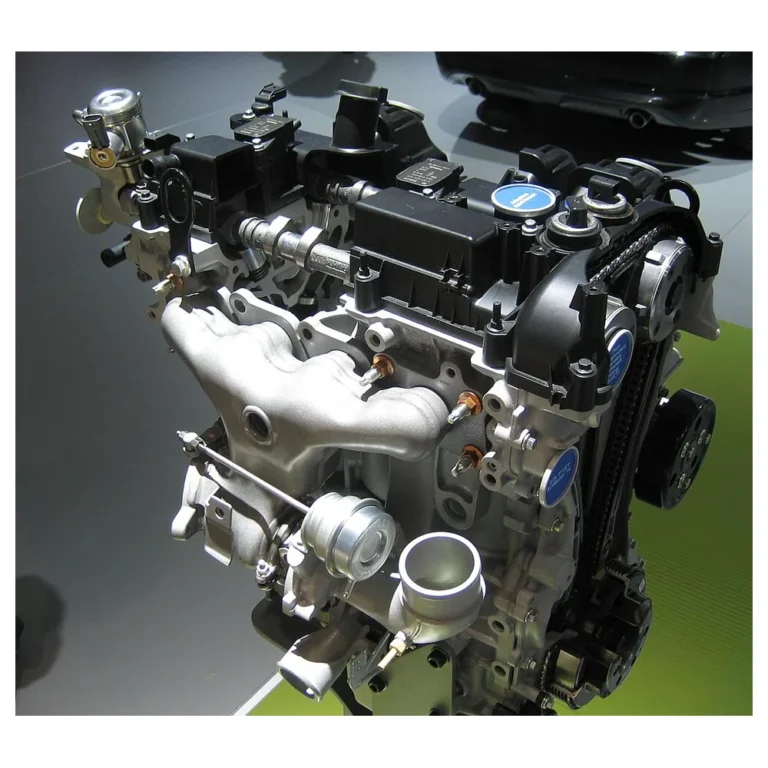
The LLV enlarges GM’s Atlas four-cylinder to 2.9L. Its larger bore brings 185 hp, while the controller transition during production is important for parts, diagnosis and calibration compatibility.
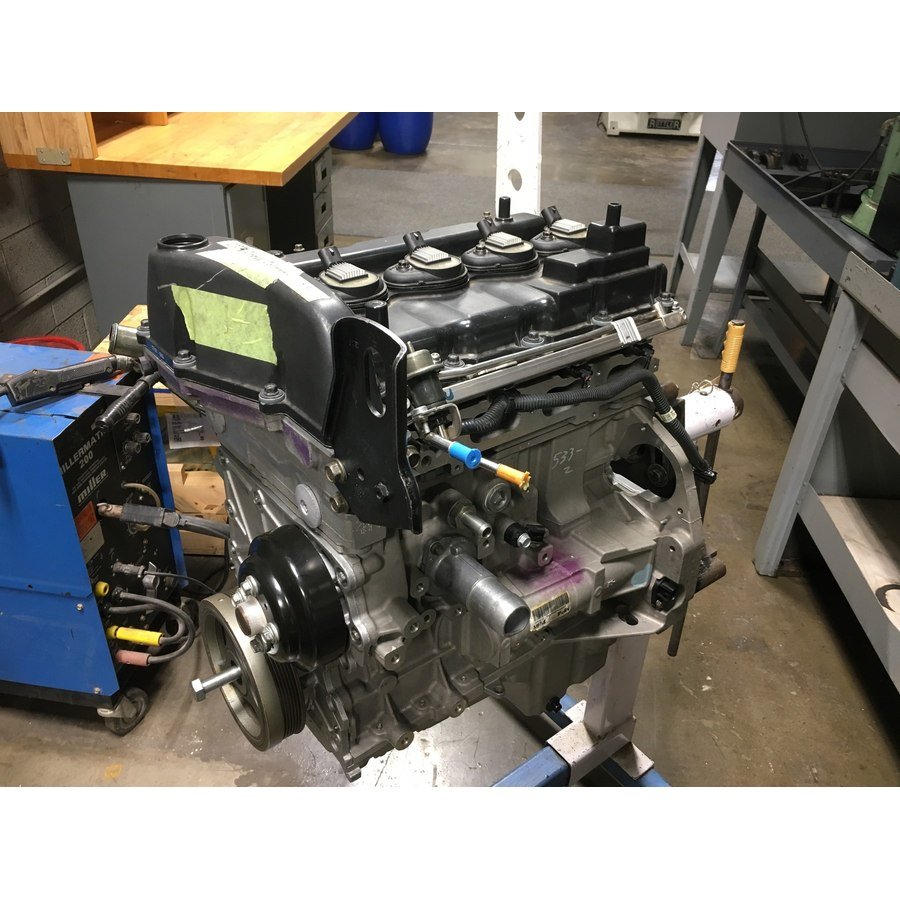
Engine construction
| Specification | Details |
|---|---|
| Capacity / layout | 2.9L · inline-four |
| Construction | Aluminum block and head |
| Valve gear | DOHC · 16 valves · exhaust cam phasing |
| Fuel / induction | Sequential port injection · naturally aspirated |
| Timing drive | Chain |
| Bore × stroke / compression | 95.5 × 102 mm · 10.0:1 |
Codes & output
| RPO / version | Power / torque | Key difference |
|---|---|---|
| LLV | 185 hp / 190 lb-ft | Factory Canyon rating |
SAE horsepower; torque in lb-ft. Ratings are for the stated application and fuel, rather than every vehicle with this RPO.
Vehicles & model years
| Brand | Model | Model years | Platform / chassis | Engine RPO |
|---|---|---|---|---|
| GMC / Chevrolet | Canyon / Colorado | 2007–2012 | GMT355 | LLV |
U.S. and Canadian applications within the 2005–2026 matrix scope. Engine availability depends on trim, build date and emissions certification.
Engine controllers
| Application / revision | ECM or PCM | Identification & function |
|---|---|---|
| 2007 | GM P12 PCM | Integrated powertrain controller; confirm service ID |
| 2008–2012 | GM E67 ECM | Engine controller with separate transmission control; not a P12 interchange |
Identify the module from its service number, operating-system ID and VIN. The ECM/PCM and transmission controller have separate calibrations on many applications; a matching RPO alone does not make a replacement module plug-and-play.
Common issues & maintenance
- Cam timing / oil controlP0014/P0017 or a rough idle can involve the cam-actuator solenoid and its screens. GM also calls for crankshaft end-play checks when ordinary diagnosis does not explain the condition; do not assume a chain is at fault from the code alone.
- Ignition and air leaksCoils, worn plugs and intake leaks can cause rough running. Use cylinder misfire counts and fuel trims to separate ignition faults from mechanical compression loss.
- Oil level and coolingLow oil can compromise cam-phaser operation. Repair coolant and oil leaks promptly and keep the cooling system in good condition.
Keep it healthy. Use the correct oil grade and keep the level full; cam phasing depends on oil delivery. Follow plug, coolant and filter schedules. Persistent misfires need compression and leak-down tests before repeated parts replacement.
References & technical sources
| Source | Reference |
|---|---|
| GM applications & RPO diagnostic matrices | View source |
| EFILive GM gasoline controller families | View source |
| EFILive production controller database | View source |
| GM Atlas cam-actuator diagnostic bulletin | View source |
| GMC 2007 Canyon factory brochure | View source |