BMW M57 3.0 Diesel: Specs, Engine Code & Maintenance
BMW · Engine information · U.S. & Canada
M57
3.0 diesel · Two-stage turbo inline-six
The M57 makes its case at low rpm: 425 lb-ft arrives from just 1,750 rpm. Two turbochargers work in stages, giving the North American 335d and X5 xDrive35d strong, smooth pulling power without needing high engine speeds.
Architecture
- Engine version
- M57D30T2 (US) · M57Y in service bulletins
- Layout
- Inline-six · DOHC · 24 valves
- Construction
- Aluminium block and cylinder head
- Bore × stroke
- 84.0 × 90.0 mm
- Displacement
- 2,993 cc · 16.5:1 compression
- Valve drive
- Timing chain
Fuel, boost & control
- Injection
- Common rail · piezo injectors · up to 1,600 bar
- Turbochargers
- Two-stage: small high-pressure + large low-pressure
- Charge cooling
- Air-to-air intercooler
- Engine ECU
- Bosch EDC17CP09 · BMW DDE 7.3
- Emissions
- EGR · diesel particulate filter · SCR with DEF
- Oil & fuel
- BMW Longlife-04 low-ash oil · ultra-low-sulfur diesel
Engine controller · Bosch EDC17CP09
The North American M57 uses the Bosch EDC17CP09, designated DDE 7.3 (Digital Diesel Electronics) by BMW. It manages common-rail injection, rail pressure, two-stage boost control and the engine’s emissions functions, including EGR, DPF regeneration and SCR/DEF operation.
U.S. & Canadian vehicles
| BMW model | Chassis | Model years | Engine code |
|---|---|---|---|
| 335d Sedan | E90 | 2009–2011 | M57D30T2 (US) |
| X5 xDrive35d | E70 | 2009–2013 | M57D30T2 (US) |
Both applications produce 265 hp and 425 lb-ft. This guide covers the North American specification; confirm the VIN and installed ECU before selecting parts or software.
Why the two turbos matter
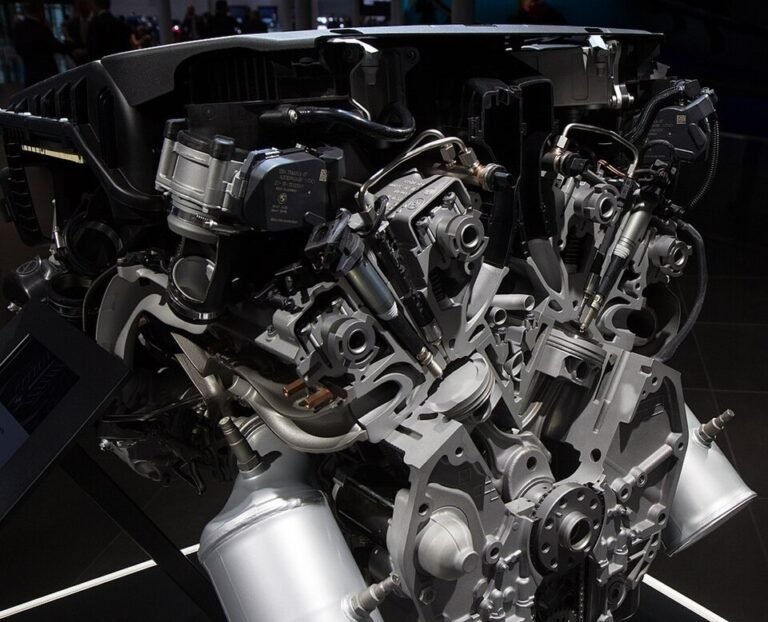
The smaller turbo helps response at low speed; the larger unit supplies airflow as demand rises. Controlled bypasses manage the transition. That broad torque band is the M57’s defining feature—and makes sound vacuum lines, charge-air plumbing and boost controls especially important.
Common issues & key risks
Intake carbon & swirl flaps. Deposits restrict ports and can hinder the flap mechanism, causing rough running, air-mass faults and lost response. Inspect and clean affected components when symptoms justify it.
Thermostats & DPF loading. A thermostat stuck open can keep the engine too cool for regeneration. Short trips and other engine faults also increase soot loading; fix the cause before cleaning or replacing the DPF.
Glow plugs & controller. Controller failure is a documented cause of long cranking, rough cold idle and multiple glow-plug faults. Test the system and follow the applicable BMW repair procedure.
SCR / DEF equipment. Active-tank sensors, supply components and NOx sensors can trigger emissions warnings. Check fault data, dosing and wiring; topping up DEF will not repair a failed sensor.
Vacuum & charge-air leaks. Ageing hoses and leaking connections can upset the two-stage turbo system. Compare actual boost with the target and test control operation before replacing turbos.
Oil leaks & turbo lubrication. Track oil use and inspect leaks. New turbo noise or smoke needs checks of oil supply, return lines and crankcase ventilation.
Protect the whole system: use the correct low-ash oil, maintain the fuel filter and follow the vehicle’s service schedule. Regular journeys at full operating temperature support DPF regeneration. Clean intake components when inspection or symptoms call for it; there is no universal 80,000 km cleaning interval.
References
| Topic | Source |
|---|---|
| Design & specifications | BMW Technical Training — Diesel Technology (ST1210) |
| North American applications | BMW 335d launch information · BMW Canada — 2013 X5 |
| Intake deposits | BMW SI B11 03 14 — M57 intake carbon |
| DPF regeneration | BMW SI B18 03 10 — particulate-filter diagnosis |
| SCR supply system | BMW SI B01 02 16 — SCR supply module |
| DPF root-cause diagnosis | BMW SI B18 01 17 · reproduced bulletin |
| Glow-control faults | BMW SI B13 12 10 |
| SCR active-tank concerns | BMW SI B01 23 16 · applicable X5 builds |
| NOx-sensor concerns | BMW SI B01 10 17 |
| Turbo oil-line diagnosis | BMW SI B11 07 11 |
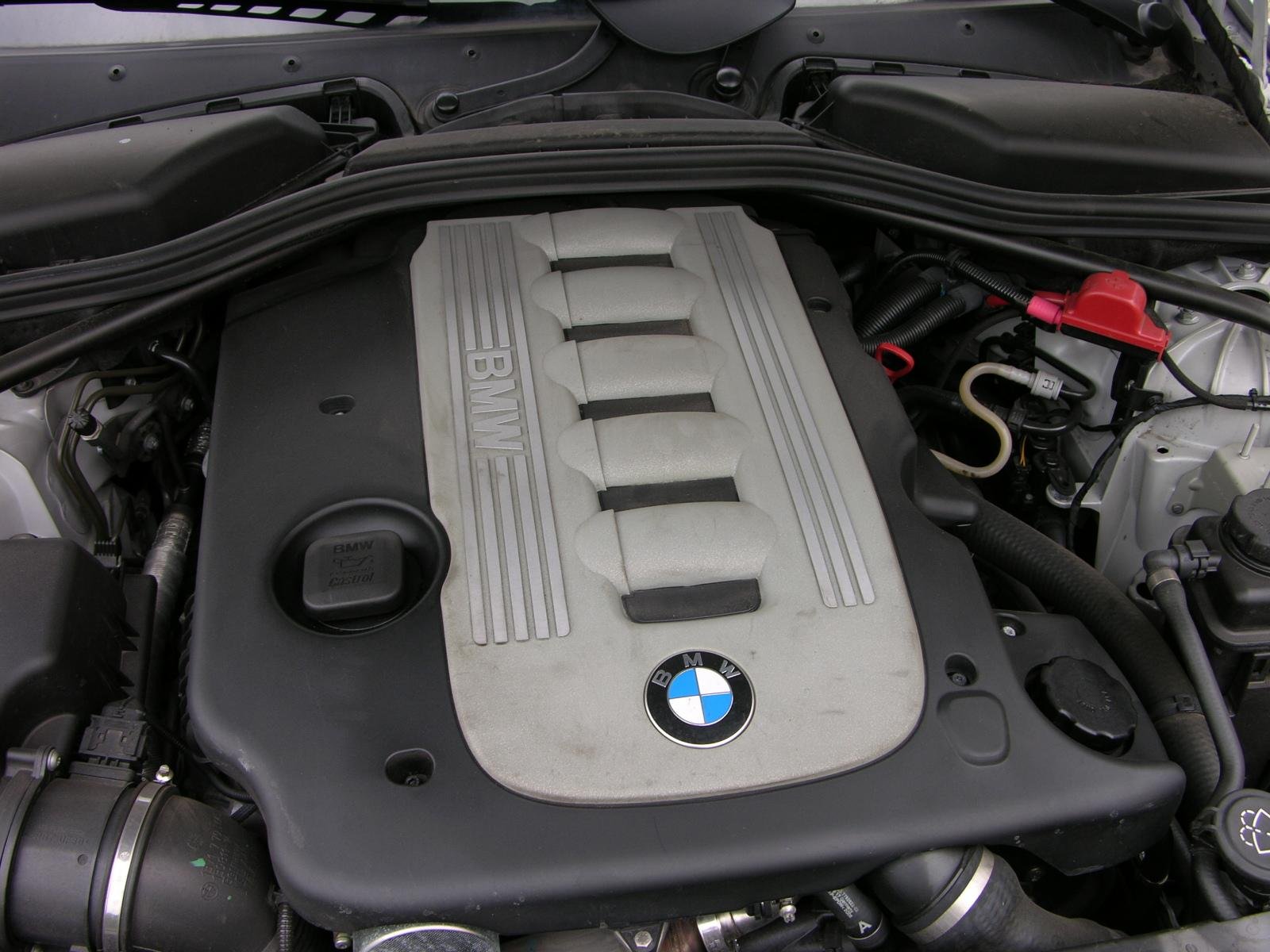
| Engine photograph | 2006 BMW 535d M Sport — The Car Spy, CC BY 2.0, via Wikimedia Commons. Image unchanged. |
Technical bulletins apply to specified vehicles and conditions. Consult the vehicle handbook and current BMW service information for repair procedures.