BMW B58 3.0 Turbo: Specs, Engine Codes, ECUs & Maintenance
BMW · Engine information · U.S. & Canada
B58
3.0 turbo · Smooth torque, precise control
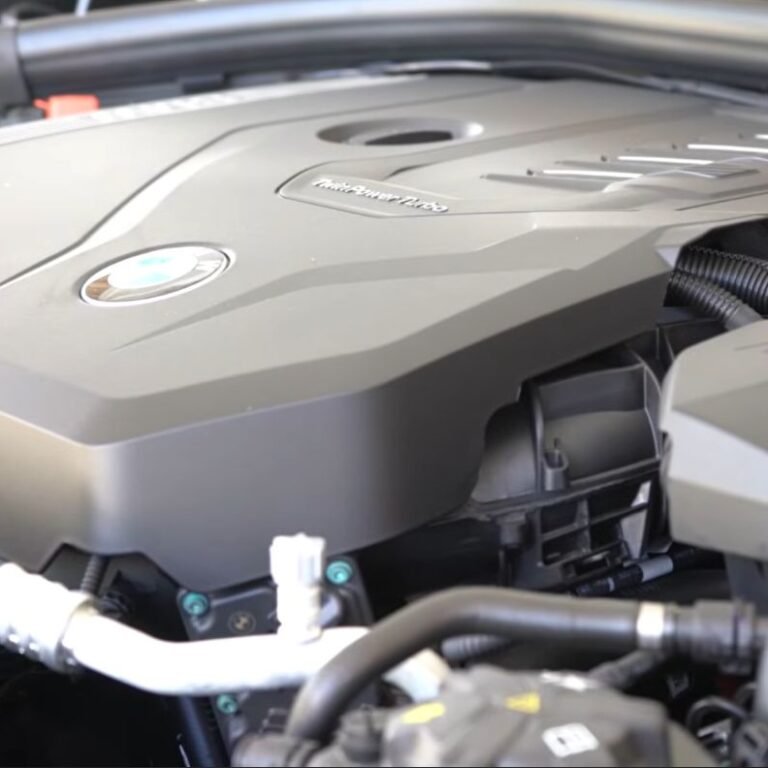
The B58 pairs the natural balance of an inline-six with a single twin-scroll turbo. Its closed-deck block and liquid-cooled intake charge support effortless road performance, but the technical update changes more than the power figure.

Architecture
- Engine codes
- B58B30M0 · M1 · O1
- Layout
- Inline-six · DOHC · 24 valves
- Block
- Aluminium · closed deck
- Bore × stroke
- 82.0 × 94.6 mm
- Compression
- 11.0:1 M0/M1 · 10.2:1 O1
- Valve control
- Double VANOS + Valvetronic
Fuel & thermal systems
- Injection
- Direct · solenoid injectors
- Rail pressure
- 200 bar original · 350 bar TU
- Charge cooling
- Liquid-cooled, integrated with intake
- Turbo control
- Electronic wastegate
- TU changes
- Revised fuel system, chain drive and cooling
- Management
- Bosch MG1 · DME 8.6 variants
Engine controllers · Bosch MG1CS003 / MG1CS024
The original and updated B58 use different MG1 hardware. BMW’s DME 8.6 designation identifies the six-cylinder control platform; its suffix helps distinguish vehicle integration and technical revision. The DME coordinates boost, fuel pressure, valve lift and drivetrain torque.
| Controller | Applications & timing | Technical distinction |
|---|---|---|
| MG1CS003 · DME 8.6.1 | Original B58B30M0 in F-series, including 340i/440i | MPC5777 processor; original 200-bar injection and F-series calibration. |
| MG1CS003 · DME 8.6.0 | Original B58B30M0 in G-series, including early 540i/740i | Same Bosch family with G-series network and software integration. |
| MG1CS024 · DME 8.6.T0 | B58TU M1/O1, beginning with 2019 X5 and 2020 M340i applications | TC298 processor; 350-bar injection and technical-update thermal strategies. |
Confirm the complete DME hardware and software IDs; model year alone cannot establish programming compatibility. Later B58 technical revisions and hybrid installations require separate identification.
Selected U.S. & Canadian vehicles
| Model | Chassis | Model years | Engine / factory output |
|---|---|---|---|
| 340i / 440i | F30/F34 · F32/F33/F36 | 2016–2018 / 2017–2020 | M0 · 320 hp / 330 lb-ft |
| M240i | F22 / F23 | 2017–2021 | M0 · 335 hp / 369 lb-ft |
| 540i / 740i | G30 / G12 | 2017–2020 / 2016–2019 | M0 · 335 hp / 332 lb-ft |
| X5 xDrive40i | G05 | 2019–2023 | M1 · 335 hp / 330 lb-ft |
| M340i / Z4 M40i | G20 / G29 | 2020–2024 | O1 · 382 hp / 369 lb-ft |
| M440i / X3 M40i | G22/G23/G26 · G01 | 2021–2024 / 2020–2024 | O1 · 382 hp / 369 lb-ft |
Selected factory ratings; drivetrain, model updates and hybrid assistance must be checked against the exact vehicle specification.
Common issues & key risks
PCV diaphragm. A split breather diaphragm can cause whistling, blue-white exhaust smoke and rough running. This is documented on eligible B58M applications; measure crankcase pressure before choosing a repair.
Oil-filter housing. The plastic housing and seals can leak coolant or oil. Inspect beneath the intake when levels fall; a leak may remain hidden until it becomes substantial.
Pump & heat management. Mechanical-pump seals can leak, and the coolant-control module can leak or stick. Temperature-control faults and repeated top-ups deserve pressure testing and operation checks.
Valve-cover leaks. Look for oil around the cover and fuel-pump mounting area. Check crankcase ventilation at the same time because abnormal pressure can worsen leakage.
EVAP purge valve. Tank-vent valve failure can cause an engine warning or uneven running. Check valve operation and applicable VIN-specific BMW coverage before replacing other fuel-system parts.
Keep it consistent: Use the VIN-specific BMW oil approval and account for short trips or sustained load. Warm the oil before heavy acceleration and maintain unobstructed cooling airflow.
References
| Topic | Source |
|---|---|
| Original engine | BMW B58 technical training |
| Technical update | BMW B58TU technical training |
| High-output version | BMW USA: 2020 M340i |
| PCV failure & eligibility | BMW SI B01 14 23 |
| Cooling & oil leaks | FCP Euro · B58 repair guide |
| Purge-valve concerns | BMW SI B01 02 24 · reproduced bulletin |
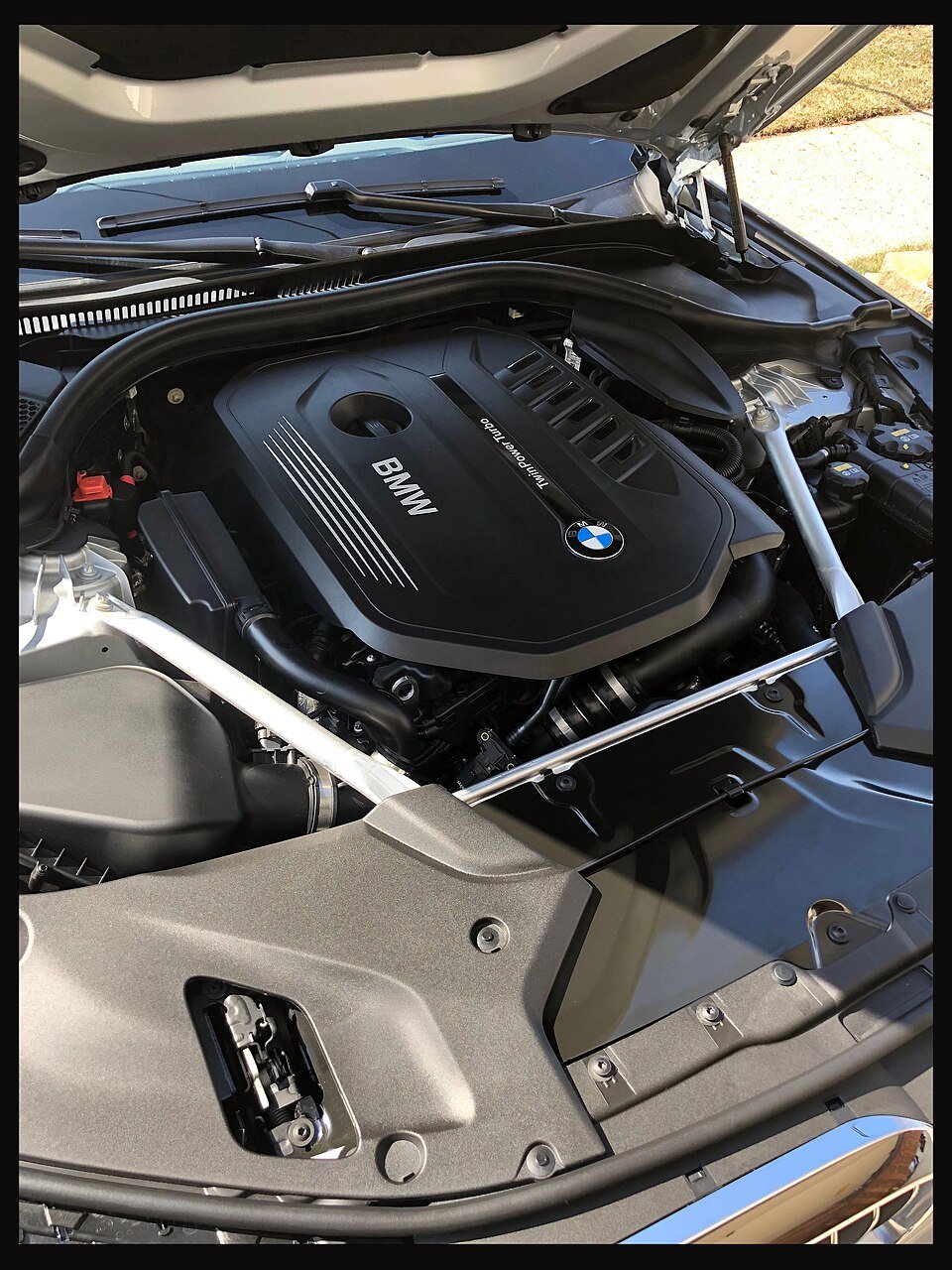
| Photograph | B58 · Lightburst · CC BY-SA 4.0. Wikimedia Commons. |
Model years refer to selected U.S. and Canadian applications. Equipment and software vary by build. Use current BMW service information for diagnosis and repair.