Volkswagen / Audi · Turbocharged petrol
EA1132.0T FSI
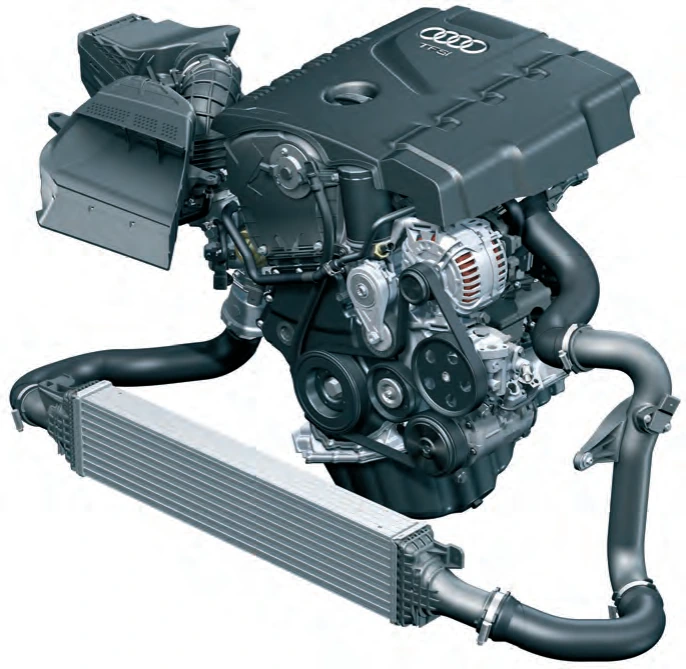
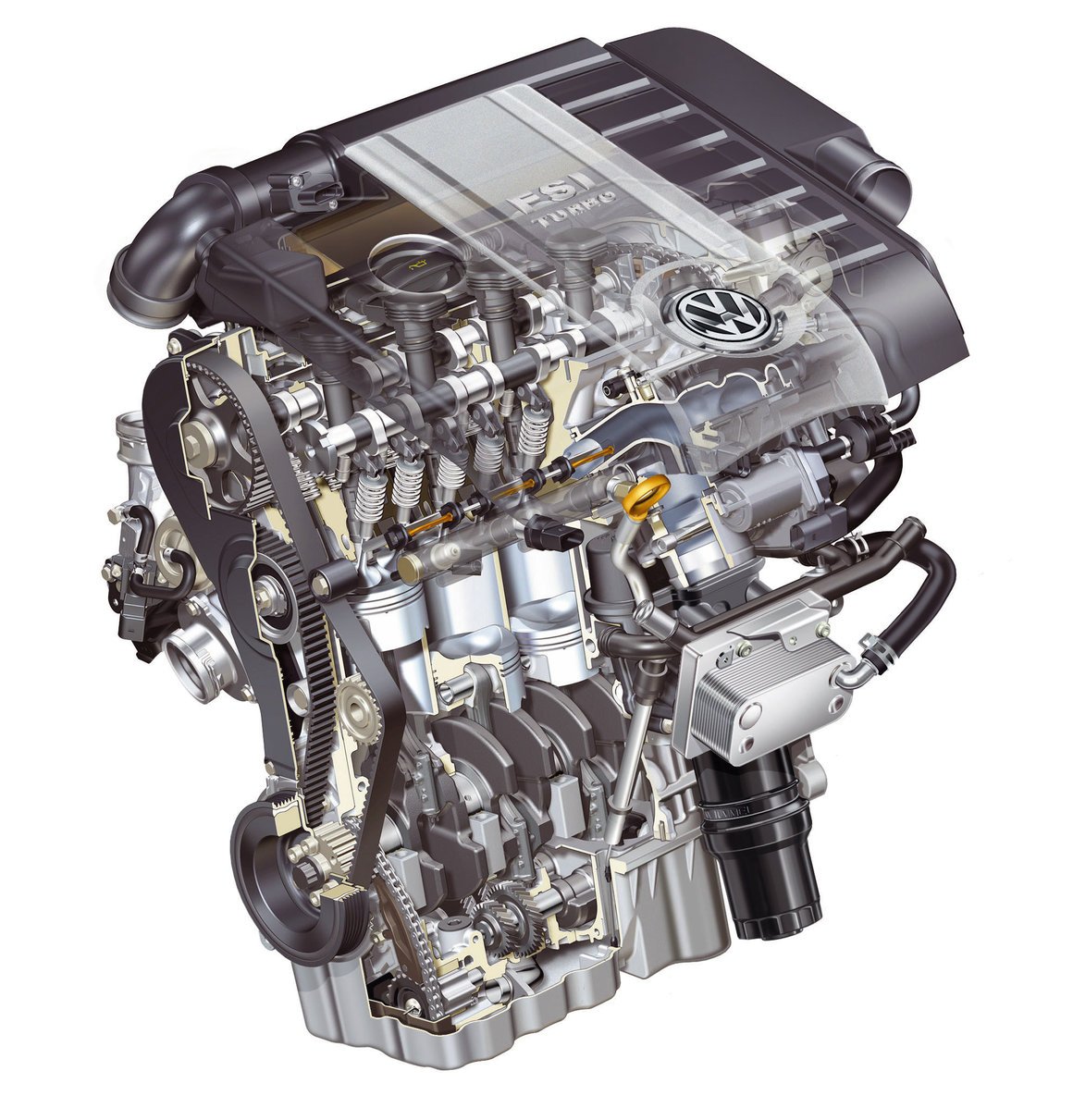
A broad torque curve made the 2.0T FSI feel bigger than its four cylinders. From the GTI and A4 to the Golf R and TTS, the turbocharged EA113 combines a strong iron block with direct injection. Its defining service detail is small but critical: the fuel-pump cam follower.
Specifications
Architecture
- Bore × stroke
- 82.5 × 92.8 mm
- Block / cylinder head
- Cast iron / aluminium
- Mounting
- Transverse or longitudinal
- Firing order
- 1–3–4–2
Timing & air system
- Cam drive
- Toothed belt + cam-link chain
- Valve timing
- Variable intake cam timing
- Induction
- Single turbo · intercooler
- Fuel system
- Direct petrol injection
Fuel & control
- Engine management
- Bosch Motronic MED9.1
- High-pressure pump
- Cam-driven · flat follower
- Fuel grade
- Premium; check fuel label
- Oil approval
- VW 502 00; check manual
Factory output
- BPY / BPG / BWT
- 200 hp / 207 lb-ft
- CRZA · Golf R
- 256 hp / 243 lb-ft
- CDMA · Audi TTS
- 265 hp / 258 lb-ft
- Compression
- 10.5:1 standard; 9.8:1 R/TTS
This guide covers the turbocharged 2.0-litre FSI applications of EA113. Power figures are North American advertised ratings.
Vehicles by engine code
| Engine code | Vehicle | Model years | Chassis |
|---|---|---|---|
| BPY | Audi A3 | 2006–2008 | 8P |
| BPY | Audi TT 2.0T | 2008–2009 | 8J |
| BPY | Volkswagen GTI | 2006–2008* | Mk5 / 1K |
| BPY | Volkswagen Jetta 2.0T / GLI | 2005–2008* | Mk5 / 1K |
| BPY | Volkswagen Passat | 2006–2008* | B6 / 3C |
| BPY | Volkswagen Eos | 2007–2008* | 1F |
| BPG | Audi A4 Sedan / Avant | 2005.5–2006 | B7 / 8E |
| BWT | Audi A4 Sedan / Avant | 2007–2008 | B7 / 8E |
| BWT | Audi A4 Cabriolet | 2007–2009 | 8H |
| CRZA | Volkswagen Golf R | 2012–2013 | Mk6 / 5K |
| CDMA | Audi TTS | 2009–2015 | 8J |
*2008 was a production changeover for several VW models. Model year alone does not identify the engine. U.S./Canadian availability varies; confirm the code on the vehicle data label.
Common faults & maintenance
- Fuel-pump follower. Wear can damage the intake cam and reduce fuel pressure. Inspect the follower and cam when indicated by service history, fuel-pressure faults or pump work.
- Timing belt & chain. Follow the model-specific belt interval and inspect age-related wear. Cam-link chain noise or timing faults need prompt diagnosis.
- Oil specification. Use the required VW approval and monitor the level. Short trips, heat and sustained load may justify shorter oil service intervals.
- PCV & boost leaks. A faulty breather or diverter valve can cause rough idle, oil leaks or weak boost. Test the system before replacing parts.
- Intake deposits. Carbon on intake valves can contribute to cold misfires and lost performance. Inspect and clean when deposits or symptoms warrant it.
- Cooling & ignition. Repair coolant leaks and investigate overheating, worn plugs or failing coils promptly. Continued misfiring can damage the catalyst.
Keep it healthy. Allow oil temperature to rise before heavy boost. After sustained hard use, finish with gentle driving and follow the manual’s shutdown advice. Keep service records and investigate changes in oil use, coolant level or startup noise.
References & technical sources
| Topic | Reference |
|---|---|
| Design & specifications | Volkswagen SSP 821503 · 2.0 FSI TurboGolf R factory referenceAudi TT / TTS factory reference |
| Vehicle applications | Volkswagen erWin model guideAudi erWin model guide |
| Fuel-pump & breather faults | Volkswagen cam-follower bulletinAudi crankcase-breather bulletin |
Factory ratings apply to the specified configuration and fuel. Service requirements vary by model and VIN; use the applicable owner’s manual and current repair information.