GM Duramax 6.6L LML: Specs, Engine Codes, Controllers & Maintenance
Engine Information · GM · Duramax · LML · 2011–2016
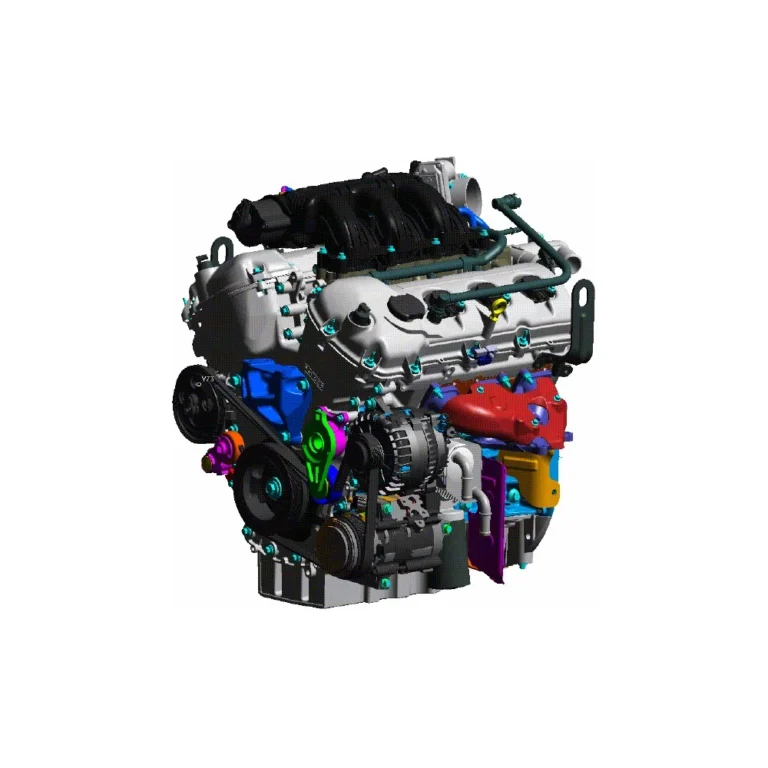
Duramax 6.6L LML
The LML delivers 397 hp and 765 lb-ft in HD pickups, with high-pressure common-rail injection and SCR using diesel exhaust fluid. Correct fuel-system diagnosis matters: contamination can turn a pump repair into a much larger job.
Engine construction
| Specification | Details |
|---|---|
| Capacity / layout | 6,604 cc · 90° V8 |
| Bore × stroke | 103 × 99 mm |
| Construction | Cast-iron block · aluminum heads |
| Valve gear | OHV · 32 valves |
| Fuel / induction | Common-rail direct injection · variable-geometry turbo |
| Compression | 16.0:1 |
| Aftertreatment | EGR · oxidation catalyst · DPF · SCR/DEF |
Codes & output
| RPO / version | Power / torque | Key difference |
|---|---|---|
| LML | 397 hp / 765 lb-ft | HD pickup rating |
SAE horsepower; torque in lb-ft. Ratings are for the stated application and fuel, rather than every vehicle with this RPO.
Vehicles & model years
| Brand | Model | Model years | Platform / chassis | Engine RPO |
|---|---|---|---|---|
| GMC / Chevrolet | Sierra / Silverado 2500HD and 3500HD | 2011–2014 | GMT900 | LML |
| GMC / Chevrolet | Sierra / Silverado HD | 2015–2016 | K2XX | LML |
U.S. and Canadian applications within the 2005–2026 matrix scope. Engine availability depends on trim, build date and emissions certification.
Engine controllers
| Application / revision | ECM or PCM | Identification & function |
|---|---|---|
| 2011–2014 | Bosch E86A ECM | Rail pressure, injection, turbo and emissions control |
| 2015–2016 | Bosch E86B ECM | Later hardware/software family; not an E86A calibration interchange |
| Transmission / aftertreatment | Separate Allison TCM and emissions modules | Check all module IDs and faults; emissions-related reduced power is not necessarily an ECM failure |
Identify the module from its service number, operating-system ID and VIN. The ECM/PCM and transmission controller have separate calibrations on many applications; a matching RPO alone does not make a replacement module plug-and-play.
Common issues & maintenance
- High-pressure fuel-system contaminationHard starting, low rail pressure and metal debris can indicate pump damage. GM’s diagnostic bulletin calls for inspecting the regulator and addressing contamination throughout the system when confirmed; replacing only the pump can leave damaging debris behind.
- SCR / DEF and DPF warningsNOx sensors, reductant delivery, heaters and exhaust sensors can trigger reduced-power or service messages. Read the complete aftertreatment fault set and test the failed circuit before replacing the DEF tank or filter.
- Fuel supply and boost lossesRestricted filters, air entry and charge-air leaks can feel like a failing pump or turbo. Check actual versus requested pressure and boost under load.
Keep it healthy. Follow the VIN-specific oil and fuel-filter schedule, shortening service for towing, idling and repeated short trips where the manual requires it. Drain water from fuel when indicated, maintain the cooling stack and investigate falling rail pressure before replacing expensive fuel-system parts. Use fresh, uncontaminated DEF of the specified standard; do not confuse fuel and DEF fillers.
References & technical sources
| Source | Reference |
|---|---|
| GM applications & RPO diagnostic matrices | View source |
| EFILive GM diesel controller families | View source |
| EFILive controller variants | View source |
| GM PIP4949D: fuel-system contamination | View source |
| GM factory Duramax ratings | View source |
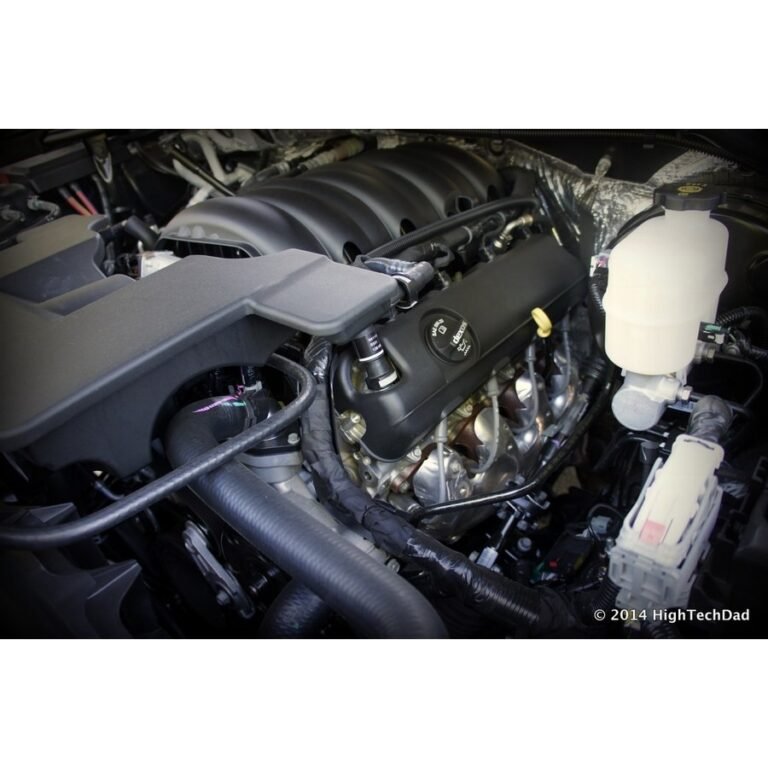
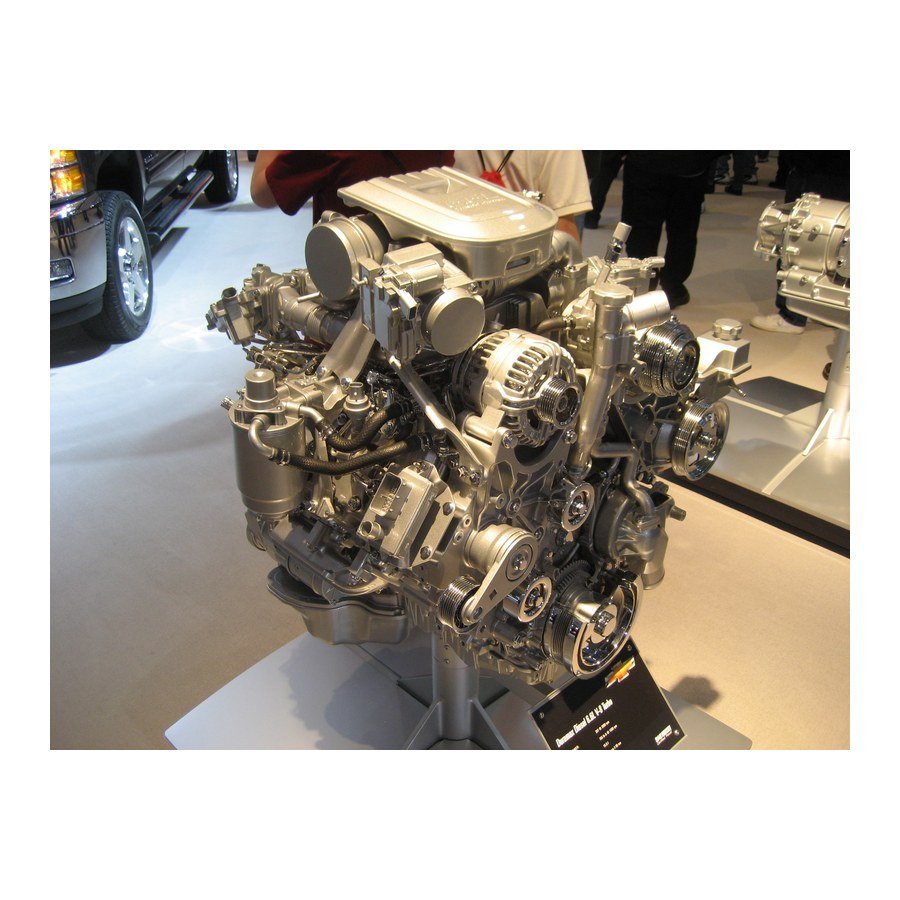
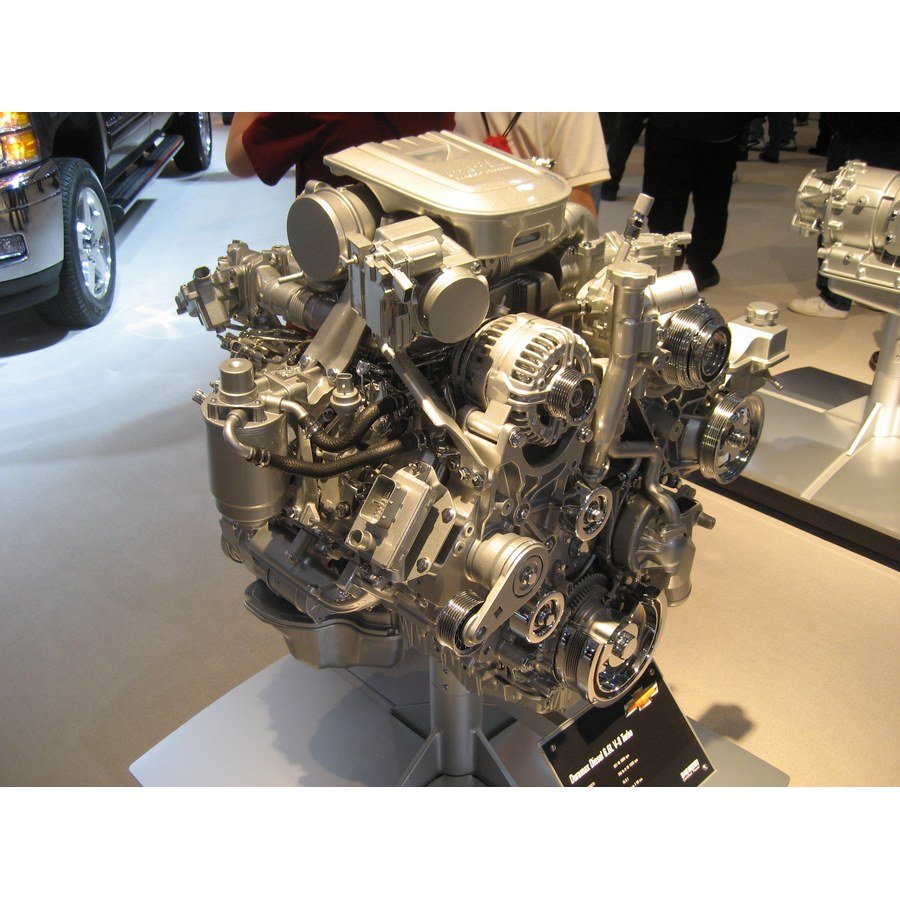
| Engine photo | Dana60Cummins · 1.19.2011LML · CC0 · resized and padded; full photograph retained |