GM High Feature 3.0L V6 LF1 & LFW: Specs, Engine Codes, Controllers & Maintenance
Engine Information · GM · High Feature V6 · 3.0L direct injection
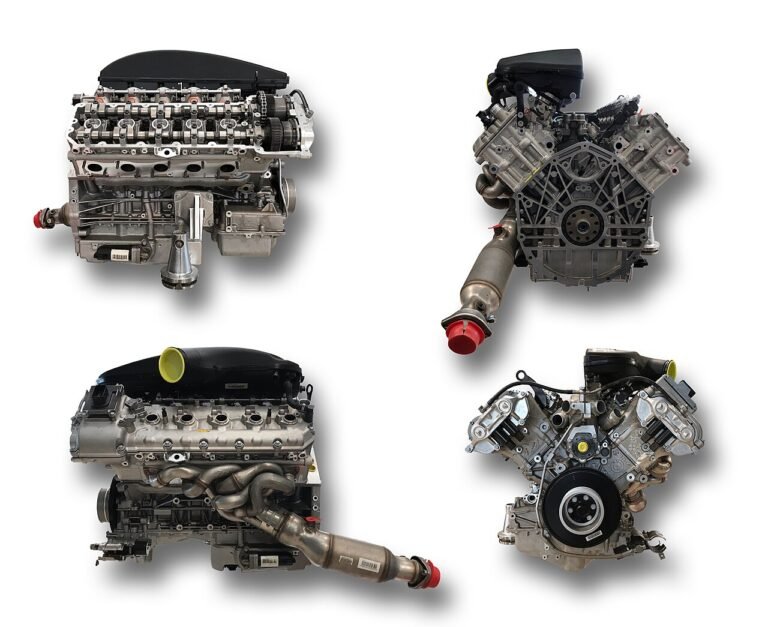
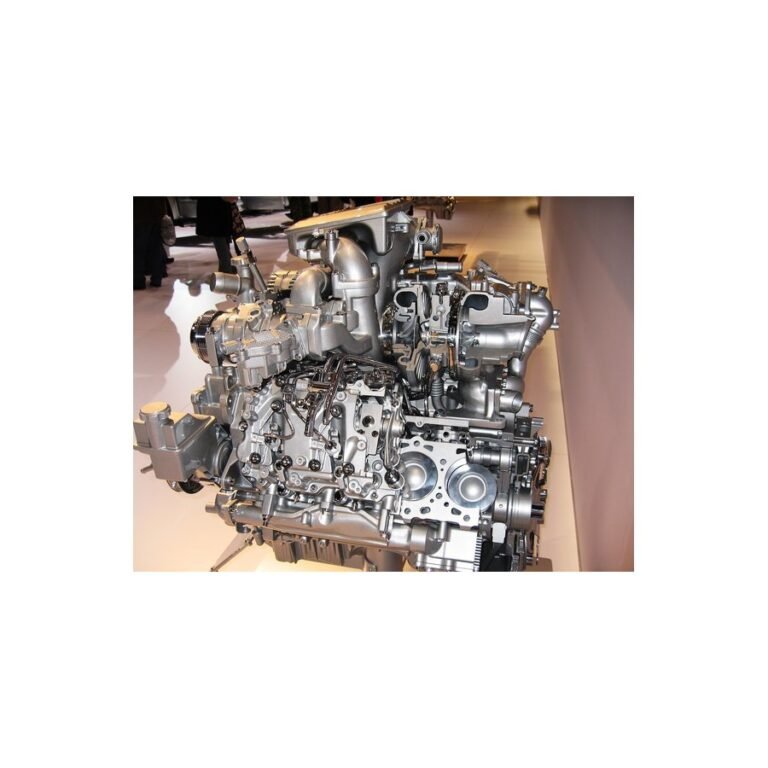
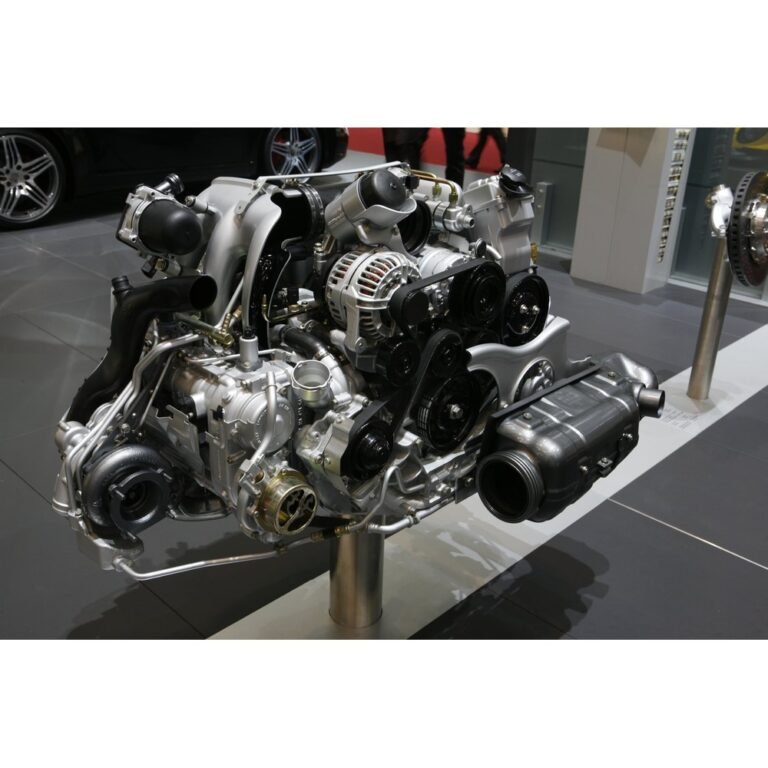
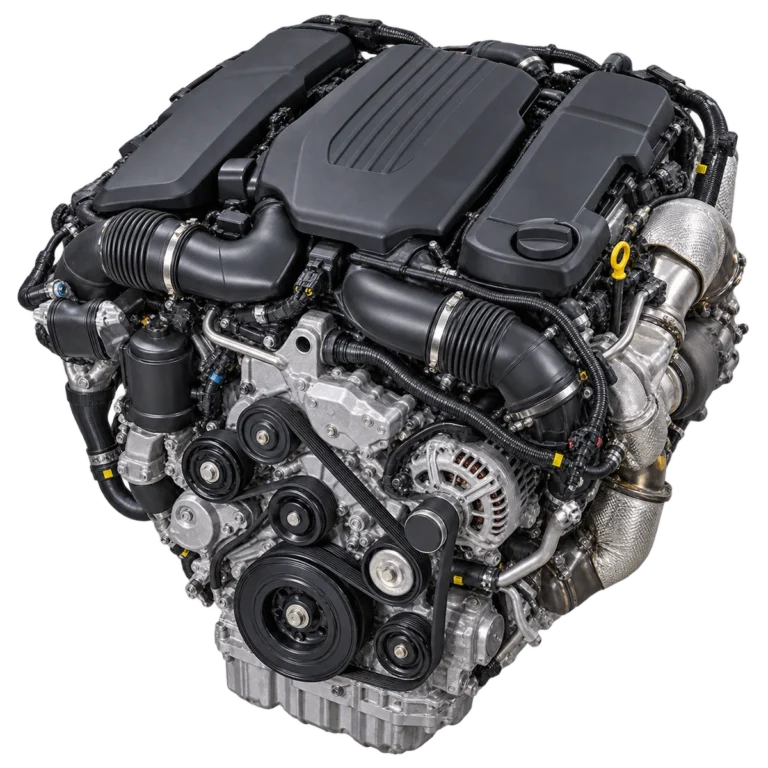
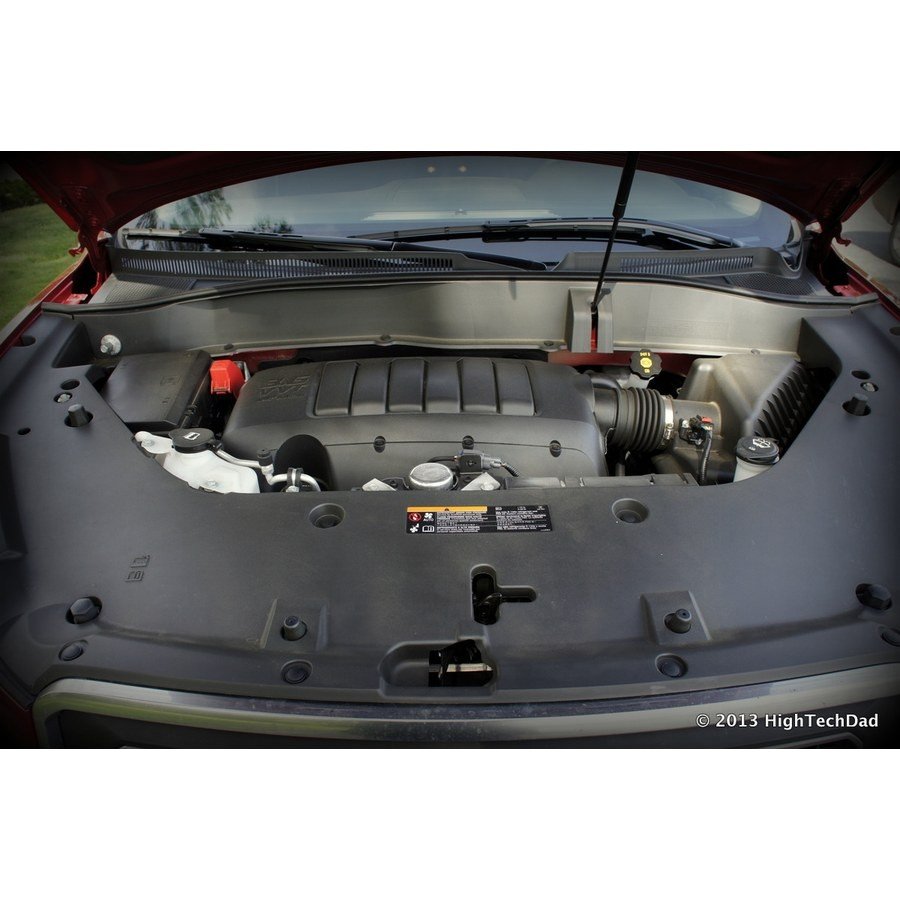
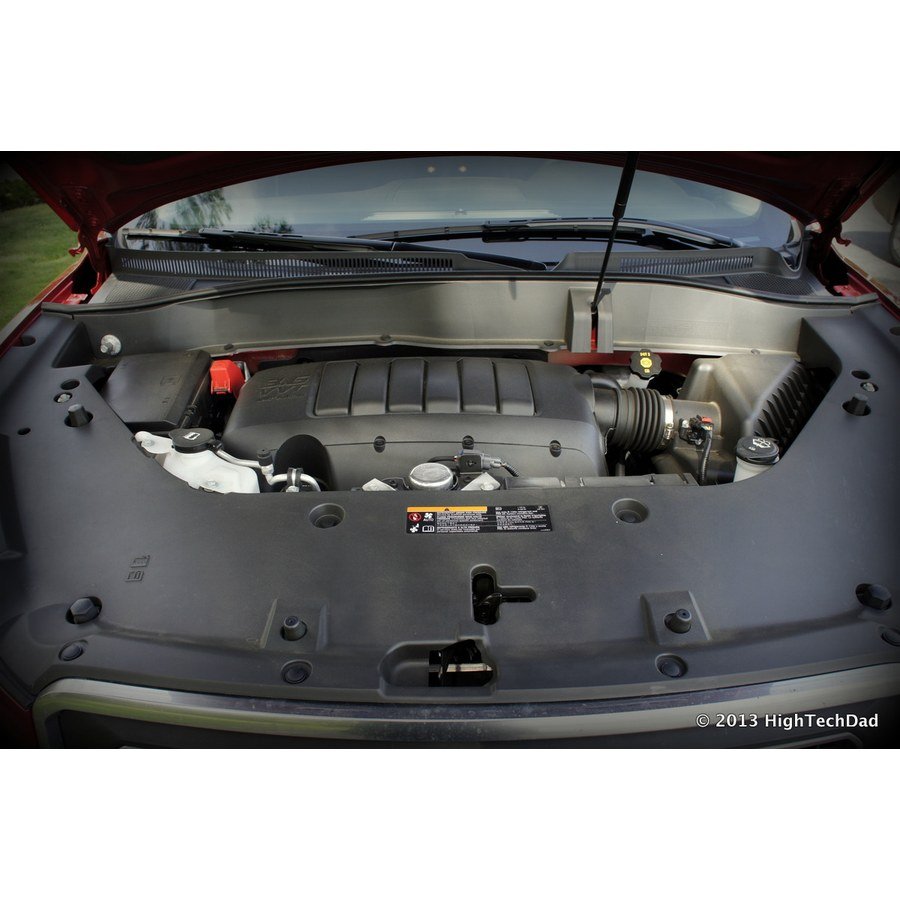
High Feature 3.0L V6 LF1 & LFW
The LF1 and flex-fuel LFW bring DOHC V6 refinement to the early Terrain and Equinox. The RPO changed before the body did: Terrain uses LF1 in 2010 and LFW in 2011–2012.
Engine construction
| Specification | Details |
|---|---|
| Capacity / layout | 3.0L · 60° V6 |
| Construction | Aluminum block and heads |
| Valve gear | DOHC · 24 valves · variable timing |
| Fuel / induction | Direct injection · naturally aspirated |
| Timing drive | Chains |
| Fuel capability | LF1 gasoline · LFW flex-fuel where equipped |
Codes & output
| RPO / version | Power / torque | Key difference |
|---|---|---|
| LF1 / LFW, Terrain / Equinox | 264 hp / 222 lb-ft | Gasoline rating; other models differ |
SAE horsepower; torque in lb-ft. Ratings are for the stated application and fuel, rather than every vehicle with this RPO.
Vehicles & model years
| Brand | Model | Model years | Platform / chassis | Engine RPO |
|---|---|---|---|---|
| GMC / Chevrolet | Terrain / Equinox | 2010 | Theta | LF1 |
| GMC / Chevrolet | Terrain / Equinox | 2011–2012 | Theta | LFW |
| Cadillac | SRX 3.0L | 2010–2011 | Theta Premium | LF1 |
| Cadillac | CTS 3.0L | 2010–2013; confirm build | Sigma | LF1 / LFW |
| Buick | LaCrosse / Allure 3.0L | 2010; market naming varies | Epsilon II | LF1 |
U.S. and Canadian applications within the 2005–2026 matrix scope. Engine availability depends on trim, build date and emissions certification.
Engine controllers
| Application / revision | ECM or PCM | Identification & function |
|---|---|---|
| LF1 / LFW installations | GM E39-family ECM | Controls direct injection, high-pressure pump, cam phasing, throttle and torque |
| Later service/build variants | E39/E39A identification by label and scan | Flex-fuel strategy and vehicle calibration are application-specific; do not select by displacement alone |
Identify the module from its service number, operating-system ID and VIN. The ECM/PCM and transmission controller have separate calibrations on many applications; a matching RPO alone does not make a replacement module plug-and-play.
Common issues & maintenance
- Timing-chain wear / correlation faultsStartup rattle or cam/crank correlation codes warrant oil-level, oil-pressure, actuator and timing checks. GM issued revised diagnostic and service guidance for selected early High Feature V6 applications.
- Oil level and crankcase ventilationOil loss or restricted PCV passages can compromise lubrication and increase deposits. Check the oil between services and investigate consumption or leaks early.
- Cold-start ticking / oil pressureFollow GM’s diagnostic checks for a new cold-start tick or fluctuating pressure. Check oil level, actual pressure and noise location rather than assuming normal injector noise.
Keep it healthy. Use the specified dexos oil and check the level between changes. Follow the oil-life system and time limit, with severe-service adjustments where required. Investigate startup rattle and persistent misfires early; intake cleaning should follow symptoms and inspection, not a universal fixed interval. Use E85 only when the vehicle is explicitly flex-fuel equipped.
References & technical sources
| Source | Reference |
|---|---|
| GM applications & RPO diagnostic matrices | View source |
| EFILive GM gasoline controller families | View source |
| EFILive production controller database | View source |
| GM High Feature V6 timing and oil guidance | View source |
| GM early timing-chain special coverage | View source |
| GM 2012 engine-code matrix | View source |
| GM cold-start noise guidance | View source |