Audi · Turbocharged petrol
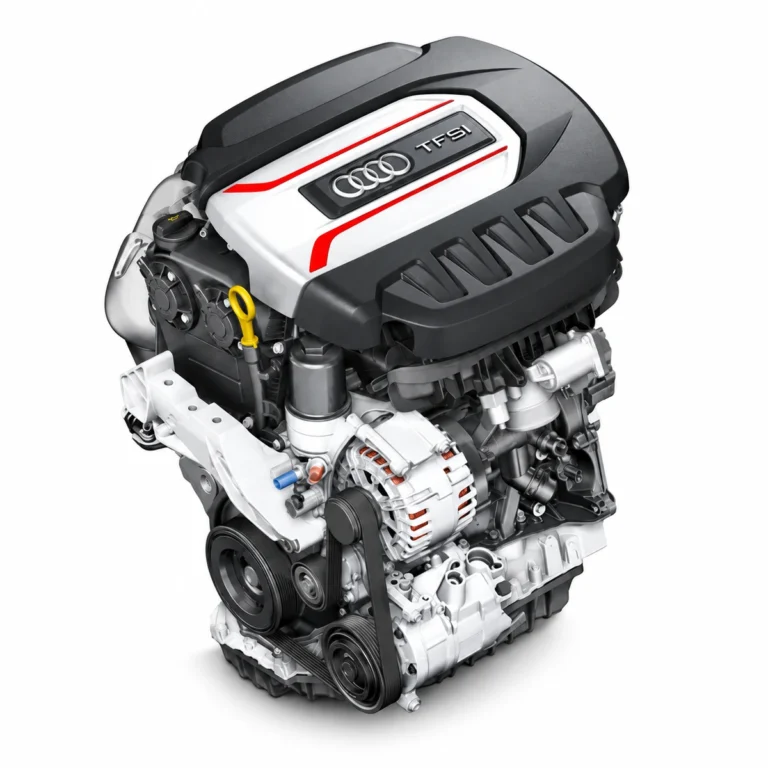
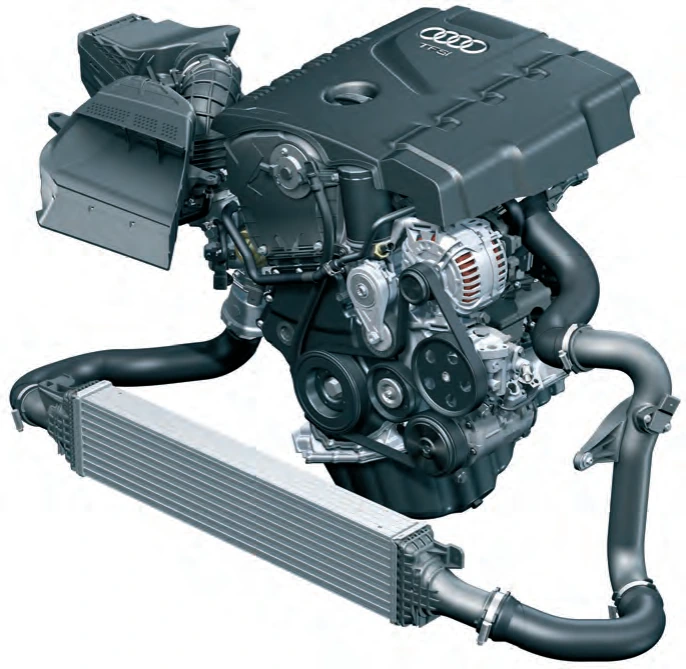
EA888 Gen 22.0 TFSI
Gen 2 gives Audi’s 2.0 TFSI its easy mid-range pull. Variable exhaust-valve lift and a broad torque plateau make it well suited to the A4, A5 and Q5. On a used example, measured oil consumption and documented timing-system work matter more than a spotless engine cover.
Specifications
Architecture
- Layout
- Inline-four · 16 valves
- Bore × stroke
- 82.5 × 92.8 mm
- Block / cylinder head
- Cast iron / aluminium
- Firing order
- 1–3–4–2
Timing & lubrication
- Camshaft drive
- Timing chain · DOHC
- Valve control
- Intake phasing + exhaust AVS
- Balance shafts
- Two · chain-driven
- Oil pump
- Regulated delivery
Fuel & air
- Injection
- Direct petrol injection
- Fuel-pump actuation
- Cam-driven · roller tappet
- Induction
- Single turbo · intercooler
- Fuel
- Premium; follow fuel label
Control & output
- Engine management
- Bosch Motronic MED17.1 family
- CAEB / CPMA / CETA
- 211 hp / 258 lb-ft
- CAED / CPMB
- 220 hp / 258 lb-ft
- Oil approval
- VW 502 00 where specified
Output and ECU software depend on the exact vehicle. CPMA/CPMB include North American flex-fuel applications; use E85 only when the vehicle is specifically approved for it.
Vehicles by engine code
| Engine code | Vehicle | Model years | Chassis |
|---|---|---|---|
| CAEB / CAED / CPMA / CPMB | Audi A4 Sedan / Avant* | 2009–2016 | B8 / 8K |
| CPMA / CPMB | Audi A4 allroad | 2013–2016 | B8 / 8K |
| CAEB / CAED / CPMA / CPMB | Audi A5 Coupe / Cabriolet | 2010–2017 | 8T / 8F |
| CAEB / CAED | Audi A6 2.0 TFSI | 2012–2015 | C7 / 4G |
| CAEB / CPMA / CPMB | Audi Q5 2.0 TFSI | 2011–2017 | 8R |
| CETA | Audi TT 2.0 TFSI | 2011–2015 | 8J |
Codes span different years and drivetrains within each row. CAEB is the principal early code; CPMA appears in 2013, with CAED/CPMB in later applications. *A4 Avant availability ends earlier than the sedan. Confirm the engine code by VIN; hybrid applications are outside this table.
Common faults & maintenance
- Oil consumption. Track top-ups against distance. Check external leaks and the PCV system, then perform a measured consumption test before deciding on piston or ring repairs.
- Chain & tensioner. Startup rattle, timing faults or a sudden no-start warrant prompt inspection. A chain jump can cause internal damage.
- PCV system. Whistling, an unstable idle and abnormal crankcase pressure can point to a breather fault. Diagnose it with oil leaks and fuel-trim readings.
- Cooling leaks. Inspect the water pump, thermostat housing and coolant connections. Repeated topping-up is a symptom to investigate, not a repair.
- Carbon & misfires. Check plugs, coils and injectors, then inspect intake deposits where symptoms persist. Clean the valves when their condition requires it.
- AVS & boost control. Cam-lift actuator faults, wastegate wear or charge-air leaks can reduce performance. Test the commanded and actual operation before replacing assemblies.
Keep it healthy. Use oil carrying the required approval, check its level and adjust servicing to duty and temperature. Warm the engine gently and keep records of oil use and repairs; good maintenance does not rule out a mechanical fault.
References & technical sources
| Topic | Reference |
|---|---|
| Design & specifications | Audi SSP 922903 · 2.0L 4V TFSIAudi TT factory reference |
| Vehicle applications | Audi erWin model guideAudi 2013 model reference |
| Oil-consumption diagnosis | Audi oil-consumption measurement bulletinAudi oil-consumption service procedure |
Factory ratings apply to the specified configuration and fuel. Service requirements vary by model and VIN; use the applicable owner’s manual and current repair information.