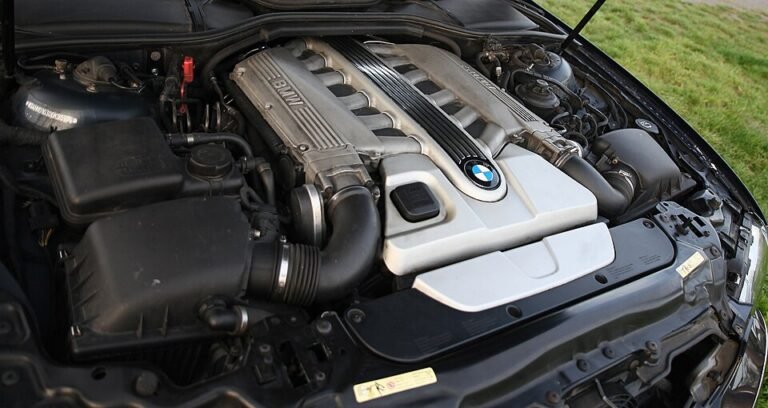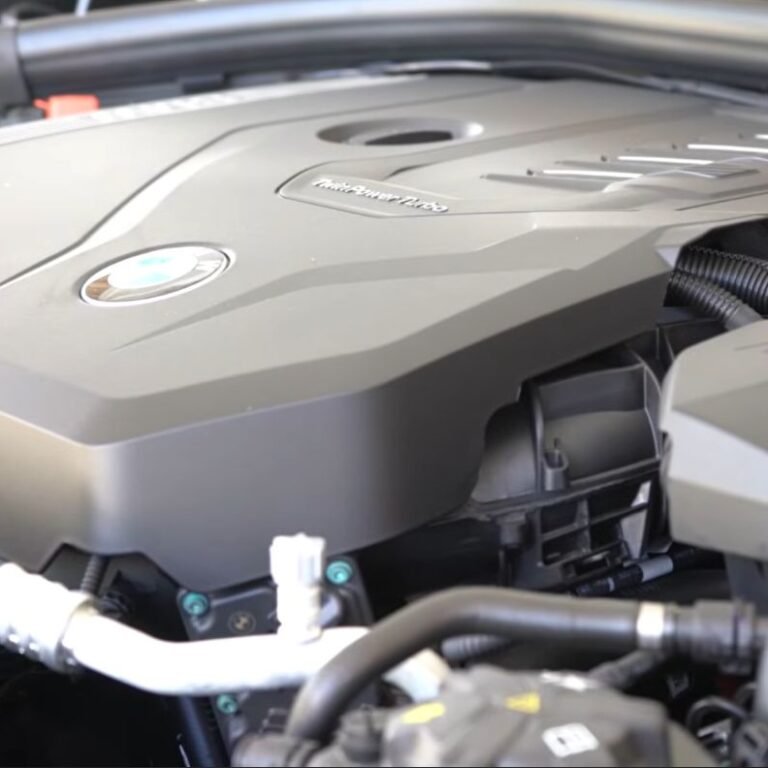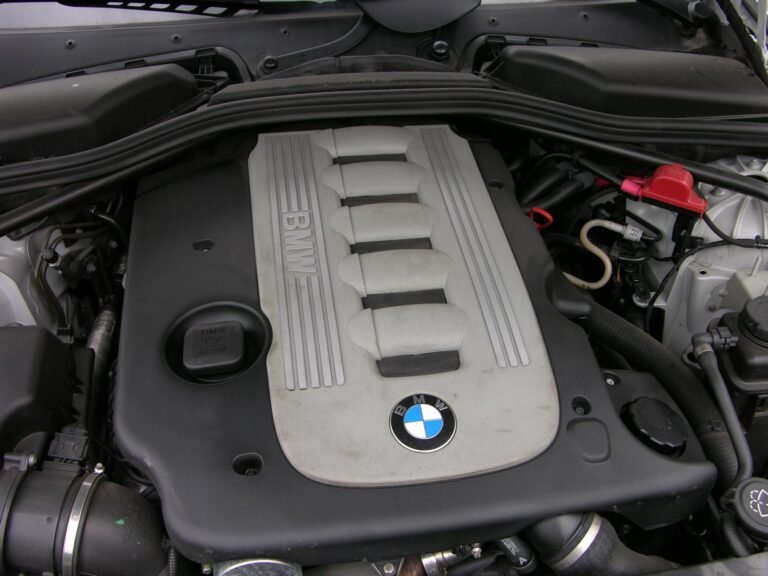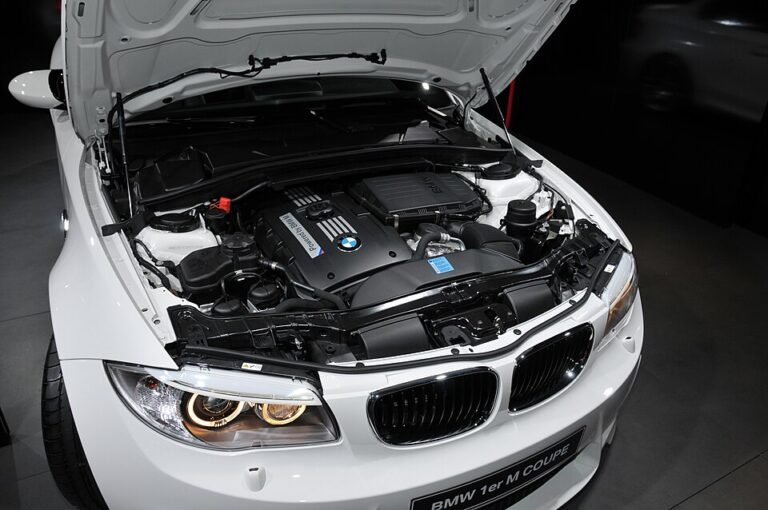
BMW N63 4.4 Twin Turbo V8: Specs, Versions, ECUs & Maintenance
BMW · Engine information · U.S. & Canada
N63
4.4 twin turbo · Know your technical update
The N63 puts its turbochargers inside the cylinder-bank V for compact packaging and short exhaust paths. Four major versions bring meaningful changes to valve control, injection and electronics—so “N63” alone is only the starting point.

Architecture
- Layout
- 90° V8 · DOHC · 32 valves
- Block / head
- Aluminium / aluminium
- Original / TU
- N63B44O0 / O1 · 10.0:1
- TU2
- N63B44O2 · 10.5:1
- TU3
- N63B44M3 / T3 · 10.5:1
- Valve control
- Double VANOS; Valvetronic from TU
Fuel & boost
- Injection
- Direct · piezo original, solenoid from TU
- Rail pressure
- Up to 200 bar; TU3 up to 350 bar
- Charge cooling
- Liquid-cooled
- Turbo development
- Twin-scroll with electric wastegates from TU2
- TU control layout
- Two water-cooled DMEs, one per bank
- Cam drive
- Timing chains
Engine controllers · MSD85, MEVD17 and MG1
The original engine and its technical updates have distinct control systems. From the first TU, two DMEs divide the cylinder banks, with DME 1 coordinating shared engine information. Cooling, power supply and communication faults can therefore affect more than one control unit.
| Controller | Applications & timing | Technical distinction |
|---|---|---|
| Continental/Siemens MSD85 / MSD85.1 | O0 · original applications from 2009 | Original piezo injection and throttle-based load control; no Valvetronic. BMW lists MSD85.1 for the 2012 650i. |
| Bosch MEVD17.2.8 / 17.2.H | O1 · TU; introduced by model from 2013, later H revisions | TC1797; two bank controllers, solenoid injection and integrated Valvetronic control. |
| Bosch MG1CS003 · DME 8.8.0 | O2 · TU2; 2016–2019 750i, 2018–2019 M550i | MPC5777; dual DMEs, electric wastegate and revised thermal-system control. |
| Bosch MG1CS201 · DME 8.8.T0 | M3/T3 · TU3 applications from 2019 | TC298; dual DMEs and 350-bar injection; separate M3 and T3 output calibrations. |
Identify both bank controllers on dual-DME vehicles. The engine revision, hardware numbers, immobilizer pairing and compatible software must agree; a 50i badge does not identify the technical update.
Selected U.S. & Canadian vehicles
| Model | Chassis | Model years | Engine / factory output |
|---|---|---|---|
| 750i/Li · 550i · X5 50i | F01/F02 · F10 · E70 | 2009–2012 · 2011–2013 · 2011–2013 | O0 · 400 hp / 450 lb-ft |
| 750i/Li · 550i · X5 50i | F01/F02 · F10 · F15 | 2013–2015 · 2014–2016 · 2014–2018 | O1 · 445 hp / 480 lb-ft |
| 650i Coupe / Convertible | F12 / F13 | 2012 | O0 · 400 hp / 450 lb-ft |
| 650i, including Gran Coupe | F12 / F13 / F06 | 2013–2016 shown | O1 · 445 hp / 480 lb-ft |
| X6 xDrive50i | E71 / F16 | 2009–2014 / 2015–2019 | O0: 400 hp / 450 lb-ft; O1: 445 hp / 480 lb-ft |
| 750i / M550i | G12 / G30 | 2016–2019 / 2018–2019 | O2 · 445 hp / 480 lb-ft (750i); 456 hp / 480 lb-ft (M550i) |
| X5 / X7 xDrive50i | G05 / G07 | 2019 | M3 · 456 hp / 479 lb-ft |
| M850i / M550i | G14/G15/G16 · G30 | 2019–2024 / 2020–2023 | T3 · 523 hp / 553 lb-ft |
| X5 / X7 M50i | G05 / G07 | 2020–2023 / 2020–2022 | T3 · 523 hp / 553 lb-ft |
Selected applications illustrate the version changes. The F15 X5 50i remains a TU application, rather than becoming TU2 merely because its model year is later.
Common issues & key risks
Oil consumption & valve seals. Early N63s have documented valve-stem-seal concerns. Blue smoke and frequent top-ups need an oil-consumption test, with ventilation and turbo faults checked before major repairs.
Injectors & rough starts. Leaking or malfunctioning injectors can cause cold-start misfires and fuel-contaminated oil. Diagnose the affected cylinders and rail pressure; early N63s had a dedicated Customer Care Package.
Timing-chain wear. A known early-engine concern addressed by BMW inspection procedures. Persistent rattles or cam-timing faults require mechanical checks; review previous chain work.
Breather & intake seals. Heat-aged ventilation hoses and turbo-inlet seals can leak, causing poor running or abnormal oil use. Smoke-test the intake and check crankcase pressure.
Turbo oil supply & cooling. Restricted turbo oil lines can cause noise and loss of boost. Inspect oil supply, return lines and turbo-area coolant leaks before installing replacement turbochargers.
Keep it consistent: Use the specified BMW oil approval, monitor the level and account for sustained load. Diagnose smoke, coolant loss and rough starts early.
References
| Topic | Source |
|---|---|
| TU electronics | BMW N63TU technical training |
| TU2 engineering | BMW N63TU2 technical training |
| TU3 engineering | BMW N63TU3 technical training |
| Oil diagnosis | BMW SIB 11 03 13 |
| 650i specifications | BMW USA: 2013 6 Series Gran Coupe |
| X6 specifications | BMW USA: 2015 X6 |
| Original 650i specifications | BMW USA: 2012 6 Series Convertible technical data |
| Early-engine service concerns | BMW SI B11 06 14 · Customer Care Package |
| Valve-seal diagnosis | BMW SI B11 08 15 |
| Turbo oil-line checks | BMW SI B11 07 11 |
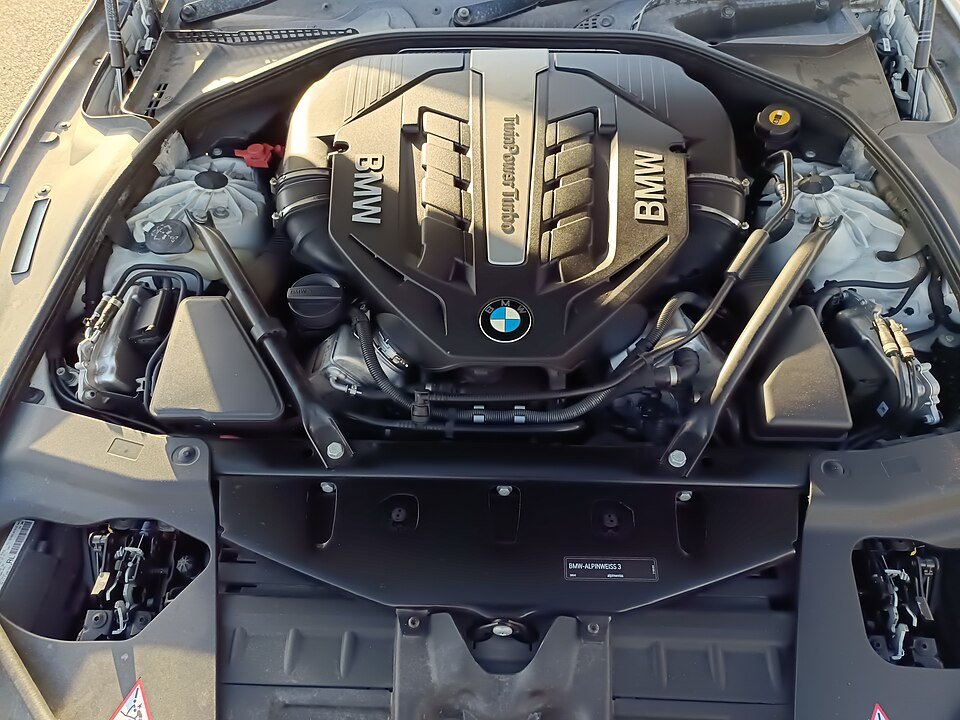
| Photograph | N63 · メルビル · CC BY 4.0. Wikimedia Commons. |
Model years refer to selected U.S. and Canadian applications. Equipment and software vary by build. Use current BMW service information for diagnosis and repair.