BMW S58 3.0 Twin Turbo: Specs, Engine Codes, ECUs & Maintenance
BMW · Engine information · U.S. & Canada
S58
3.0 twin turbo · M power with serious thermal control
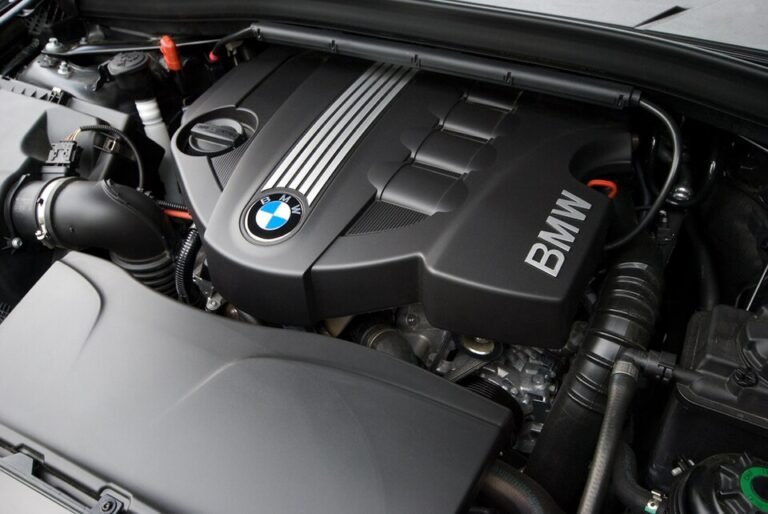
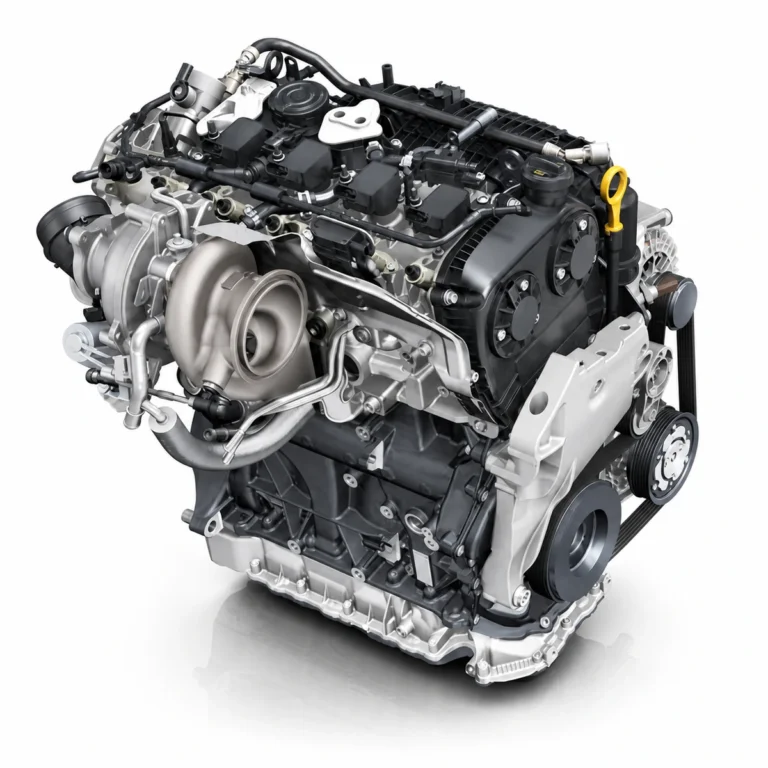
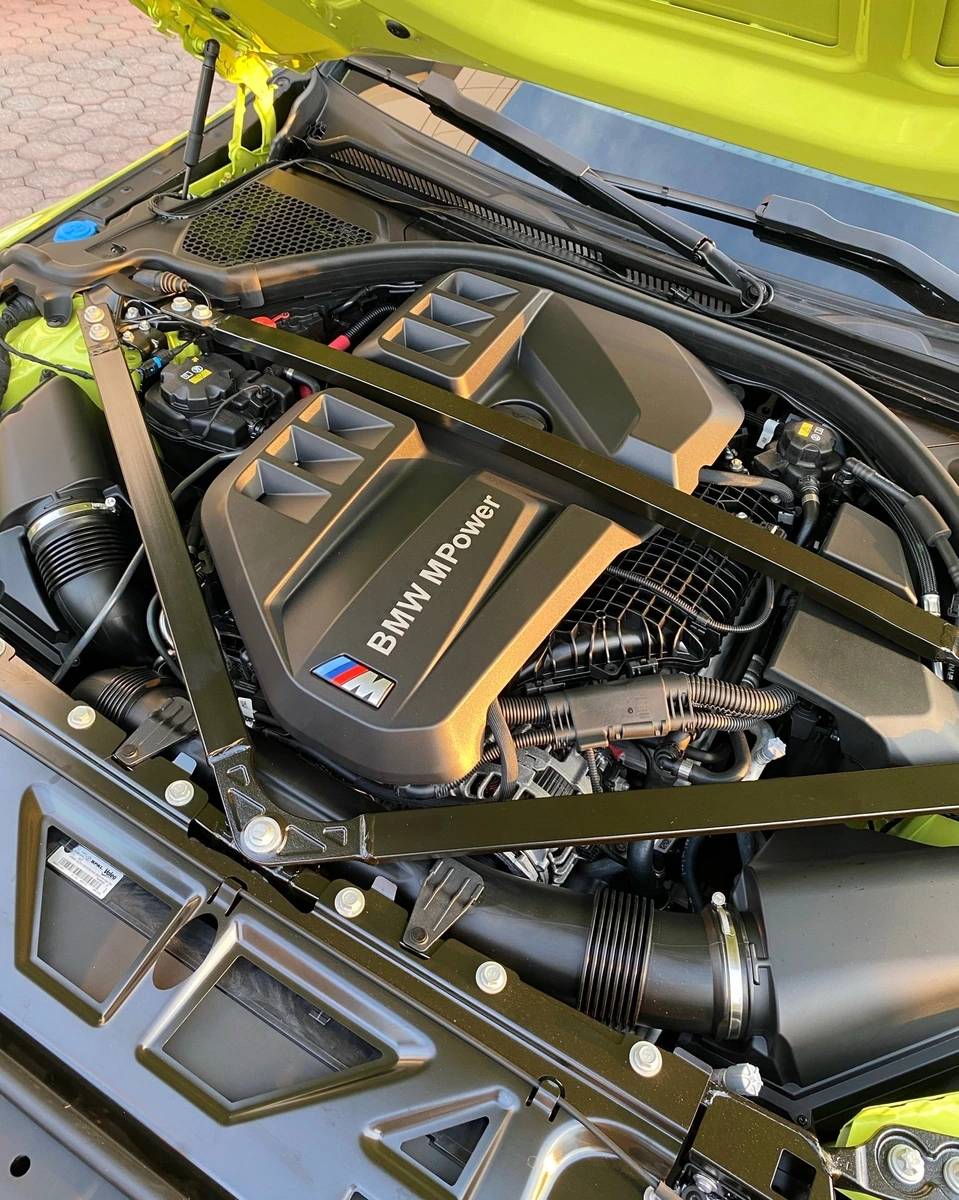
The S58 combines two turbochargers with a rigid closed-deck block and a cooling system designed for demanding use. The engine family spans several M models, with output and torque limits tailored to each drivetrain.

Architecture
- Engine family
- S58B30 · O0/T0 designations by version
- Layout
- Inline-six · DOHC · 24 valves
- Construction
- Aluminium block and head
- Crankshaft
- Forged steel
- Valve control
- Double VANOS + Valvetronic
- Cam drive
- Timing chain
Fuel & cooling
- Injection
- Direct · up to 350 bar
- Boost control
- Two electronic wastegates
- Charge cooling
- Air-to-water
- Cooling layout
- Dedicated engine and low-temperature circuits
- Lubrication
- Oil system designed for high lateral loads
- Management
- Bosch MG1 · BMW DME 8.6.S0
Engine controllers · Bosch MG1CS049 · DME 8.6.S0
The S58 uses a TC298-based Bosch MG1 controller. It manages six-cylinder injection and ignition, both turbos, variable valve lift and thermal protection. Calibration identifies the vehicle’s power level and transmission; Competition software is not a universal fit for every S58.
| Controller | Applications & timing | Technical distinction |
|---|---|---|
| MG1CS049 · X3 M / X4 M | F97/F98 applications from model year 2020 | DME 8.6.S0 family; standard and Competition torque strategies, with revisions across the model run. |
| MG1CS049 · M3 / M4 | G80/G82/G83 applications from model year 2021 | Separate manual, automatic and xDrive calibrations; model updates can change output without changing the engine-family name. |
| MG1CS049 · M2 | G87 applications from model year 2023 | M2-specific calibration; manual and automatic torque ratings diverge with the 2025 update. |
Some programming systems group S58 support under an MG1CS024 protocol heading. Use the installed Bosch label and diagnostic identification to resolve the hardware; later production revisions must be checked individually.
Selected U.S. & Canadian vehicles
| Model | Chassis | Model years | Engine / factory output |
|---|---|---|---|
| X3 M / X4 M | F97 / F98 | 2020–2021 | 473 hp / 442 lb-ft; Competition 503 hp / 442 lb-ft |
| M3 / M4 base | G80 / G82 | 2021–2024 | 473 hp / 406 lb-ft · manual |
| M3 / M4 Competition | G80 / G82,G83 | 2021–2024 | 503 hp / 479 lb-ft |
| M2 | G87 | 2023–2024 | 453 hp / 406 lb-ft |
| M2 | G87 | 2025 | 473 hp · 406 lb-ft manual / 443 lb-ft automatic |
Selected versions are shown separately to avoid mixing base, Competition and updated ratings. Special editions and later revisions require their own specifications.
Known issues & key checks
EVAP purge valve. A documented fault on eligible X3 M/X4 M applications. Tank-vent valve faults can illuminate the engine light; confirm valve operation and VIN-specific coverage before replacing parts.
Cooling-system checks. Track repeated coolant top-ups and inspect both engine and charge-cooling circuits for leaks. Keep the front heat exchangers clear and inspect them after debris impacts.
Load-related misfires. Worn plugs, faulty coils or a fuel-pressure problem can produce rough running and reduced power. Use cylinder-specific fault data and follow the prescribed plug schedule.
Boost leaks. Loose charge-air connections or damaged seals can cause hissing and underboost. Pressure-test the system and check wastegate operation before replacing turbochargers.
Keep it consistent: Complete the vehicle’s running-in service where specified. Use the correct approved fluids and review maintenance frequency when the car sees repeated track or high-load use.
References
| Topic | Source |
|---|---|
| Engine engineering | BMW S58 technical training |
| Initial M applications | BMW USA: 2020 X3 M / X4 M specifications |
| M2 update | BMW USA: 2025 M2 |
| Documented purge-valve issue | BMW SI B01 03 24 · S58 applications |
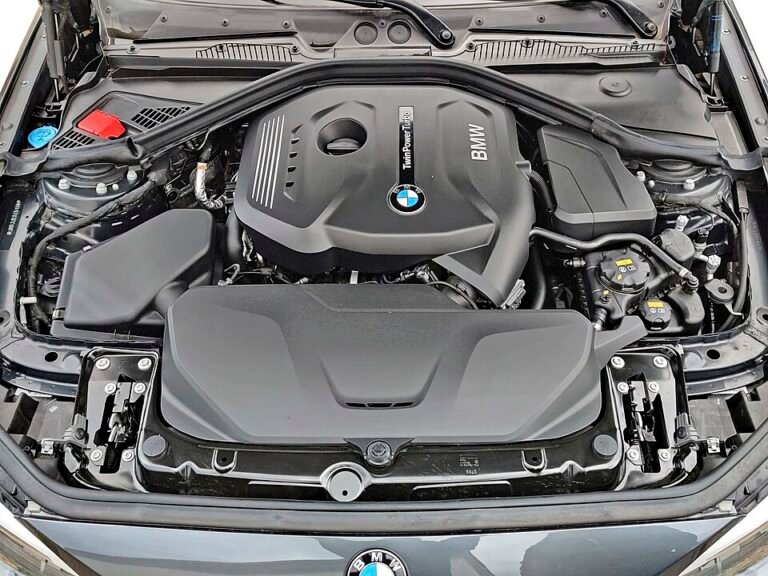
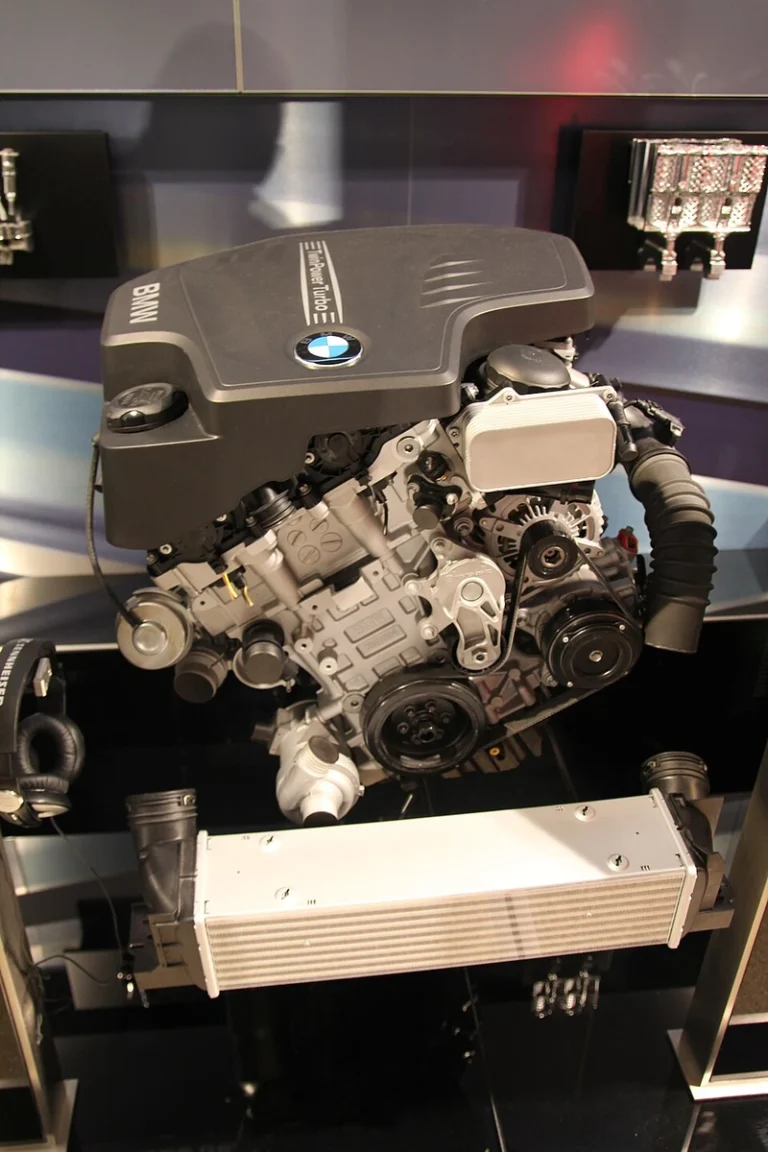
| Photograph | BMW S58 engine in a 2021 BMW M3 Competition. Photo: Steste8; cropped by Wikisympathisant / Wikimedia Commons · CC BY 4.0. |
Model years refer to selected U.S. and Canadian applications. Equipment and software vary by build. Use current BMW service information for diagnosis and repair.