GM Duramax 6.6L LBZ: Specs, Engine Codes, Controllers & Maintenance
Engine Information · GM · Duramax · LBZ
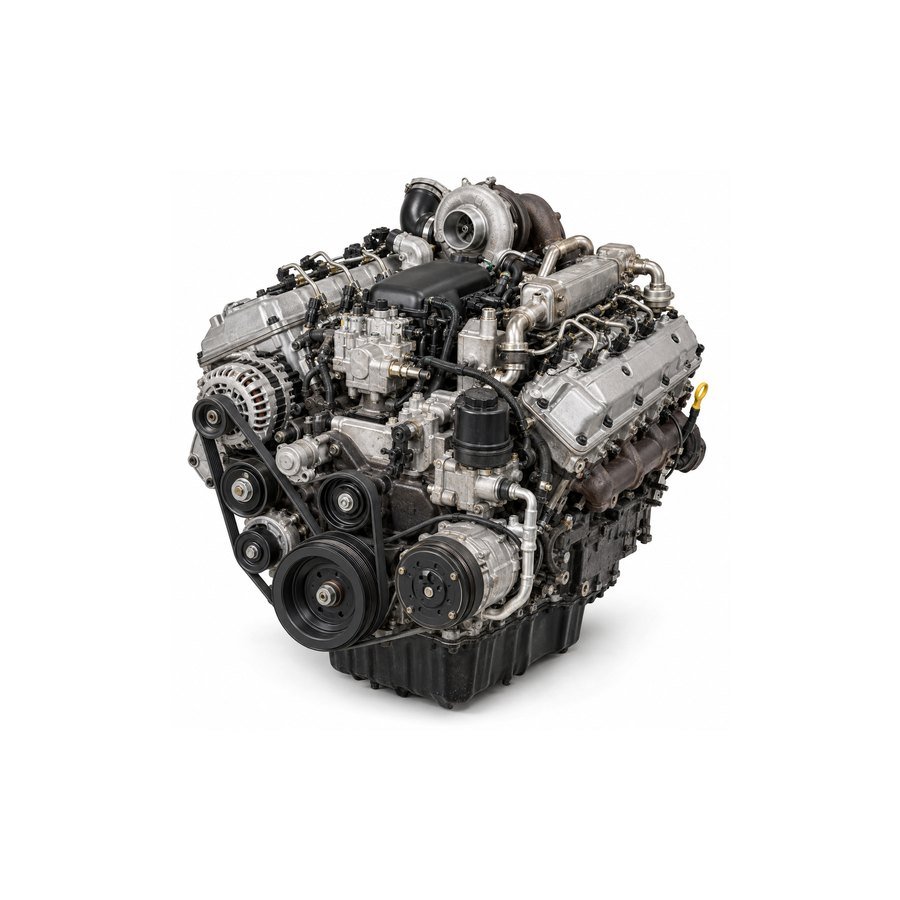
Duramax 6.6L LBZ
The LBZ pairs strong low-speed torque with common-rail injection and an Allison six-speed in HD pickups. For 2007, the Classic body is the key distinction: the new-body truck uses a different engine and emissions package.
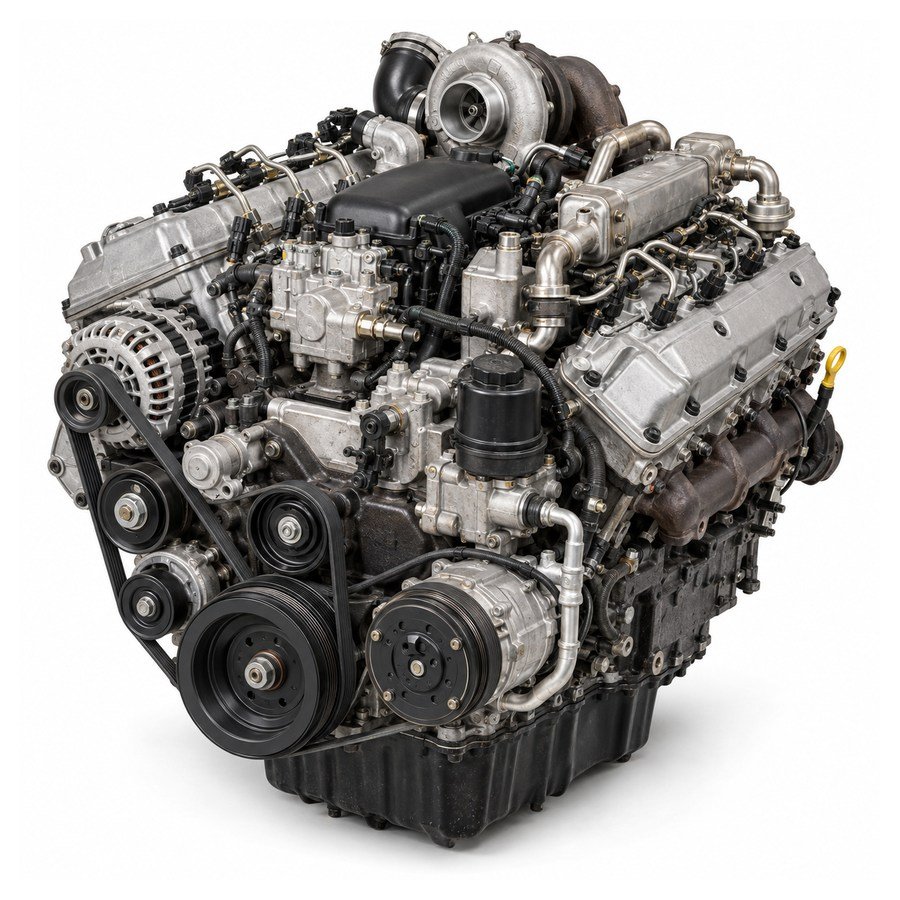
Engine construction
| Specification | Details |
|---|---|
| Capacity / layout | 6,604 cc · 90° V8 |
| Bore × stroke | 103 × 99 mm |
| Construction | Cast-iron block · aluminum heads |
| Valve gear | OHV · 32 valves |
| Fuel / induction | Common-rail direct injection · variable-geometry turbo |
| Compression | 16.8:1 |
Codes & output
| RPO / version | Power / torque | Key difference |
|---|---|---|
| LBZ HD pickup | 360 hp / 650 lb-ft | Factory pickup rating |
SAE horsepower; torque in lb-ft. Ratings are for the stated application and fuel, rather than every vehicle with this RPO.
Vehicles & model years
| Brand | Model | Model years | Platform / chassis | Engine RPO |
|---|---|---|---|---|
| GMC / Chevrolet | Sierra / Silverado 2500HD and 3500 | 2006–2007 Classic | GMT800 | LBZ |
U.S. and Canadian applications within the 2005–2026 matrix scope. Engine availability depends on trim, build date and emissions certification.
Engine controllers
| Application / revision | ECM or PCM | Identification & function |
|---|---|---|
| LBZ pickup | Bosch E35A ECM | Integrated injection control, fuel-pressure regulation, EGR and VGT commands |
| Transmission | Allison A40 TCM | Separate transmission controller; ECM and TCM coordinate torque during shifts |
Identify the module from its service number, operating-system ID and VIN. The ECM/PCM and transmission controller have separate calibrations on many applications; a matching RPO alone does not make a replacement module plug-and-play.
Common issues & maintenance
- Fuel supply / hard startingAir leaks at the filter housing, restricted filters and excessive injector return flow can prevent rail pressure from reaching the starting target. Test supply vacuum and return flow rather than diagnosing from injector balance rates alone.
- Turbo-vane controlSticking vanes, position-sensor faults and charge-air leaks can produce low boost or reduced power. Compare commanded and actual vane position and inspect hoses before replacing the turbo.
- Cooling under loadRising temperatures during towing warrant checks of coolant level, fan operation and radiator/intercooler airflow. Persistent pressure loss or coolant expulsion needs a leak and combustion-gas test.
Keep it healthy. Follow the VIN-specific oil and fuel-filter schedule, shortening service for towing, idling and repeated short trips where the manual requires it. Drain water from fuel when indicated, maintain the cooling stack and investigate falling rail pressure before replacing expensive fuel-system parts.
References & technical sources
| Source | Reference |
|---|---|
| GM applications & RPO diagnostic matrices | View source |
| EFILive GM diesel controller families | View source |
| EFILive GM Diesel controller guide | View source |
| Fuel-system diagnostic reference | View source |
| GM Duramax output and identification bulletin | View source |