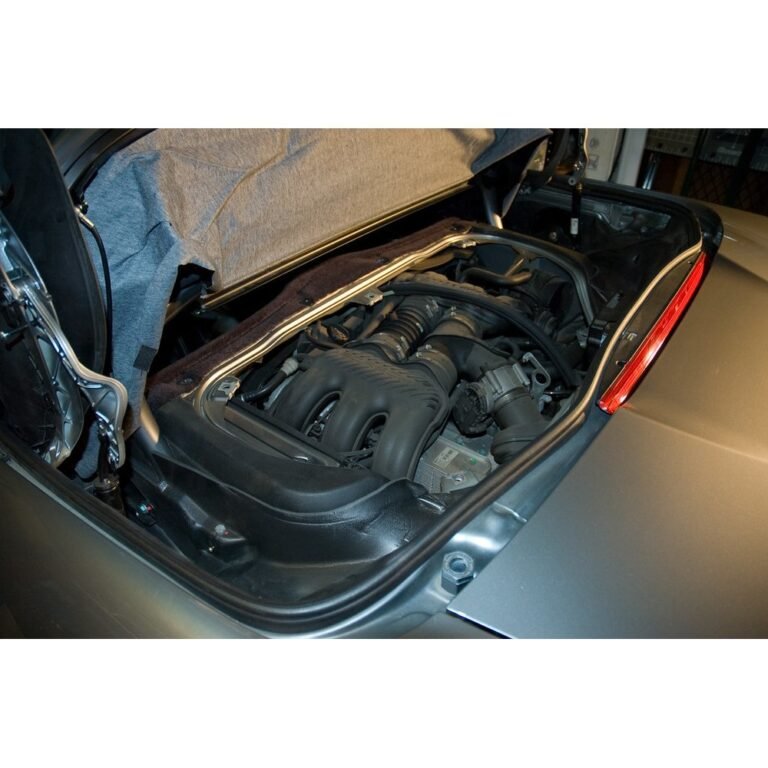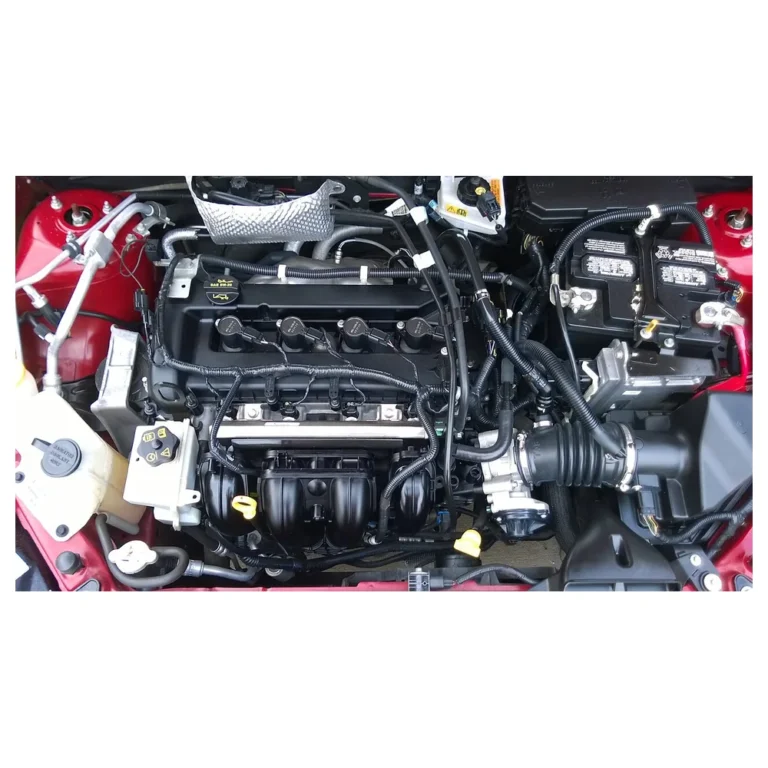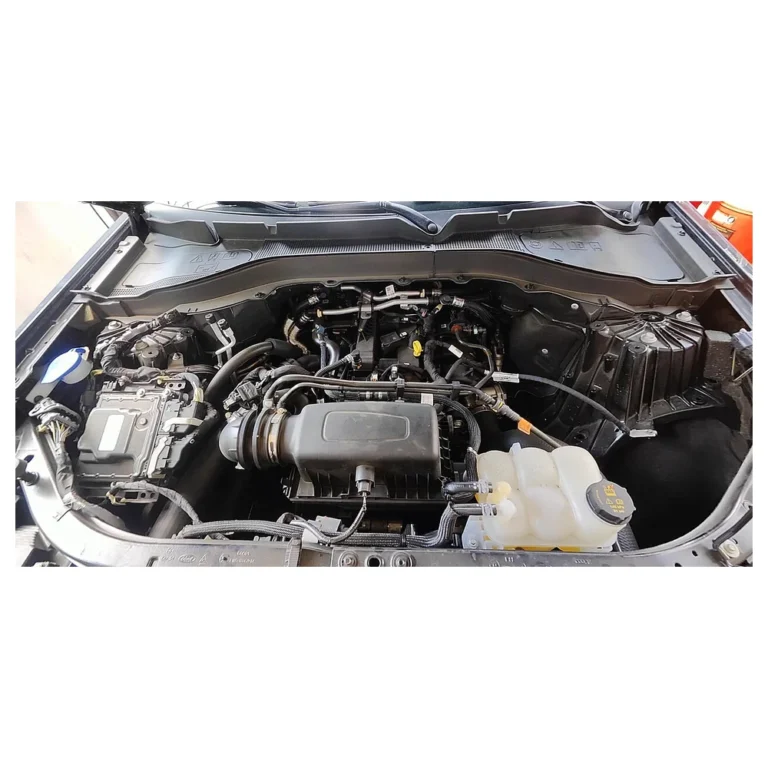
Ford Explorer EcoBoost 2.3L: Revised Specs, PCM & Maintenance
Ford · Gasoline engine
EcoBoost 2.3LRevised longitudinal · Explorer
The 2020 Explorer moved to a longitudinal platform, pairing its revised turbo four with a ten-speed automatic. A higher compression ratio and its own calibration distinguish this application.
Specifications
Engine construction
- Displacement
- 2,261 cc
- Layout
- Inline-four · DOHC · Ti-VCT
- Block / head
- Aluminium / aluminium
- Bore × stroke
- 87.55 × 94 mm
Fuel & boost
- Induction
- Turbocharged · intercooled
- Injection
- Gasoline direct injection
- Cam drive
- Timing chain
- Drive layout
- Rear-wheel drive or 4WD
Vehicles & factory output
| Engine variant | Vehicle | Model years | Platform | Factory rating |
|---|---|---|---|---|
| Revised Explorer 2.3L | Ford Explorer | 2020–2025 | CD6 | 300 hp / 310 lb-ft |
Verified ratings through model year 2025 are shown. This table does not assume that every later production year retains the same hardware or output.
Engine controller
| Application | Supplier & family | Hardware / identification |
|---|---|---|
| Explorer · 2020+ 2.3L applications | Bosch MG1CS017 | TC298; primary application-list identification. |
| Additional Explorer 2.3L hardware | Bosch MG1CS036 | TC399; documented alternative, build verification required. |
| Later Explorer 2.3L hardware | Vitesco EMS2910 also catalogued | Exact changeover is not established by the vehicle-list start year. |
The engine PCM and ten-speed transmission controller have separate identities. Record both when diagnosing torque-reduction or shift complaints. Match the complete Ford engineering/service number, supplier hardware ID and diagnostic strategy/calibration ID. The same engine size can use different modules; processor names alone do not identify an ECU.
Catalogue entries identify application families, not a guaranteed ECU for every build year. Confirm the installed unit.
Common faults & maintenance
- Affected-build software faults. Verify applicable service campaigns, including 20B19 on certain 2020 builds, before replacing hardware for a condition addressed by calibration.
- Misfire or reduced boost. Inspect plugs, coils, boost plumbing and measured fuel pressure. Separate an engine torque fault from a ten-speed transmission shift complaint.
- Cooling and oil leakage. Investigate fluid loss or persistent overheating promptly. Towing places extra demand on cooling and oil; use the model-year severe-service schedule when required.
Keep it healthy. Use the Ford oil specification and viscosity for the exact model year. Follow the normal or severe-use schedule for towing, extended idling, dust and repeated short trips; check oil and coolant between services. Diagnose deposits or poor running before prescribing cleaning intervals.
References
| Topic | Source |
|---|---|
| Specifications & output | Ford 2020 Explorer technical specifications |
| Later factory ratings | Ford 2025 Explorer technical specifications |
| PCM update / programming | Ford program 20B19 |
| Hardware families by application | BitBox official application list |
| Vehicle hardware applications | Alientech live vehicle catalogue |
| MG1 hardware | AutoTuner · Bosch MG1CS036 applications |
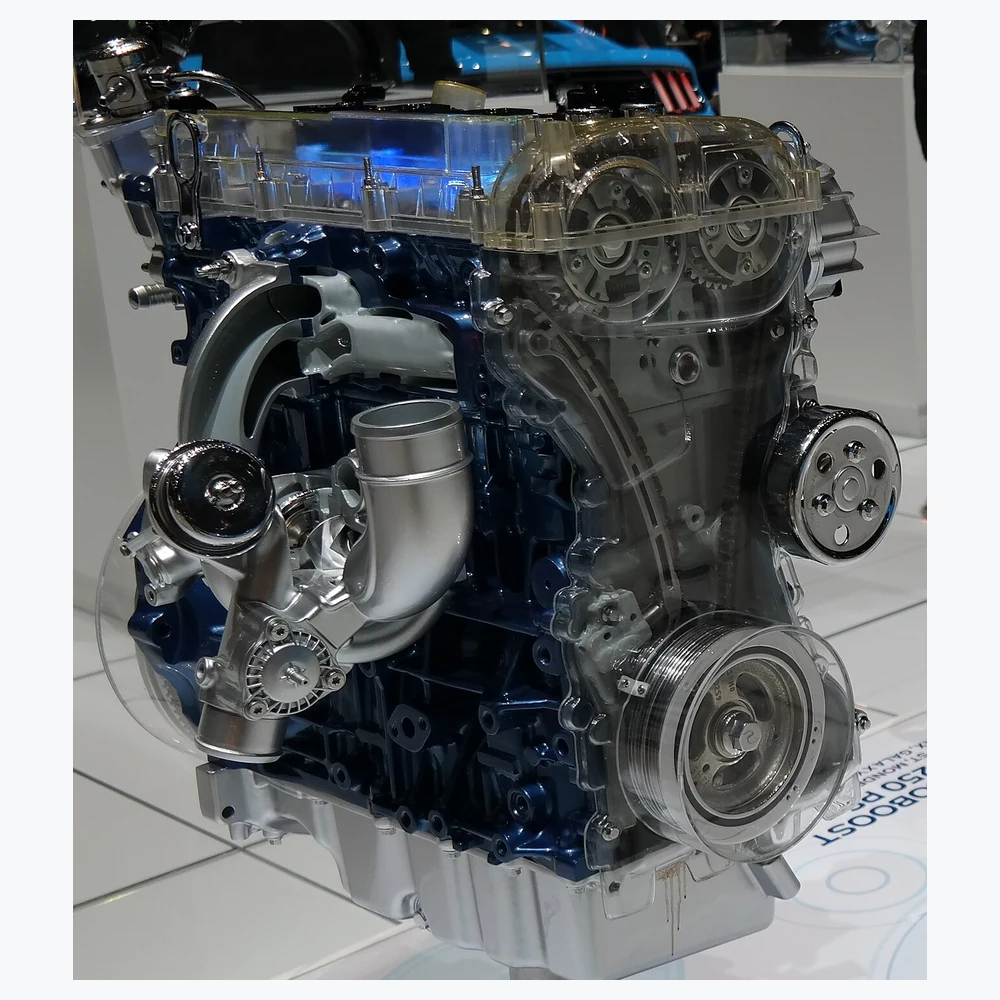
| Engine photo | Ford 2.3L EcoBoost cutaway shown in the 2017 Mustang/Focus RS display. Photo: Norbert Aepli, Switzerland · CC BY 4.0. Cropped/resized and square-formatted. |
Listed vehicles are selected North American applications. Ratings and equipment vary with model year, fuel and emissions specification. Verify the VIN, engine label and PCM identification before ordering parts or software. Service bulletins describe affected conditions and do not establish a failure rate or current warranty entitlement.