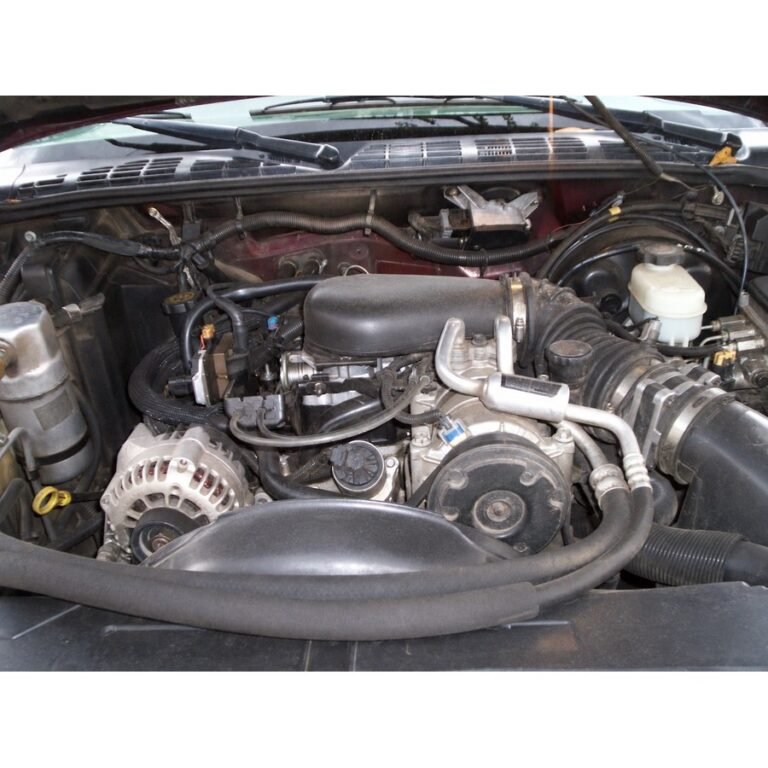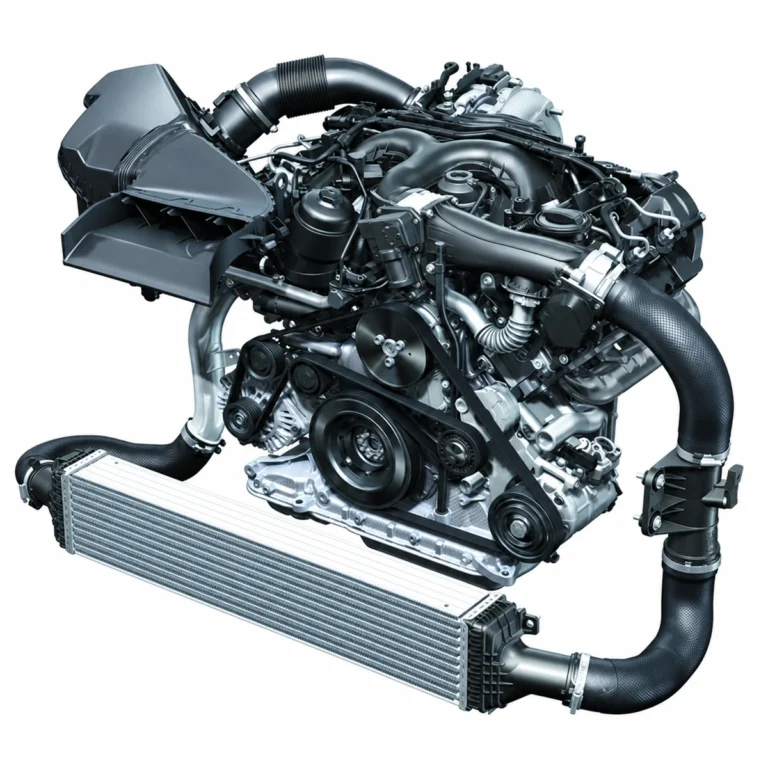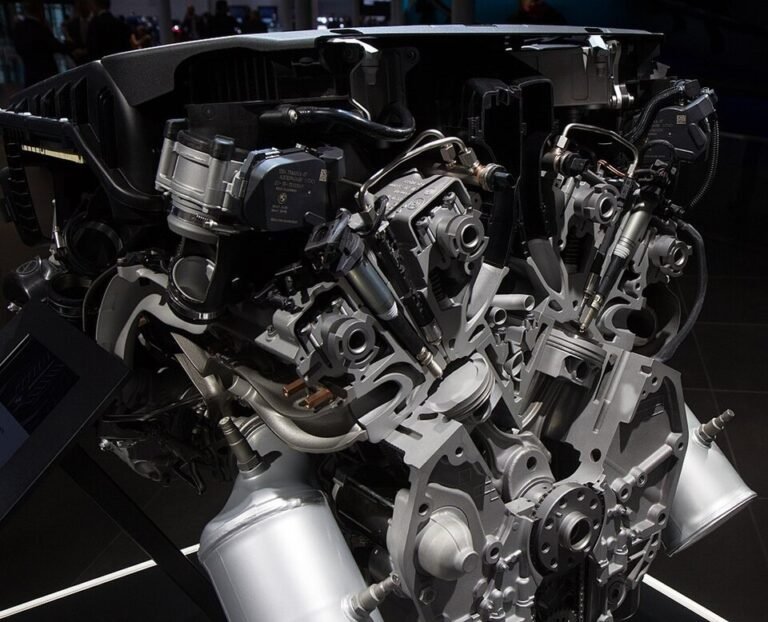
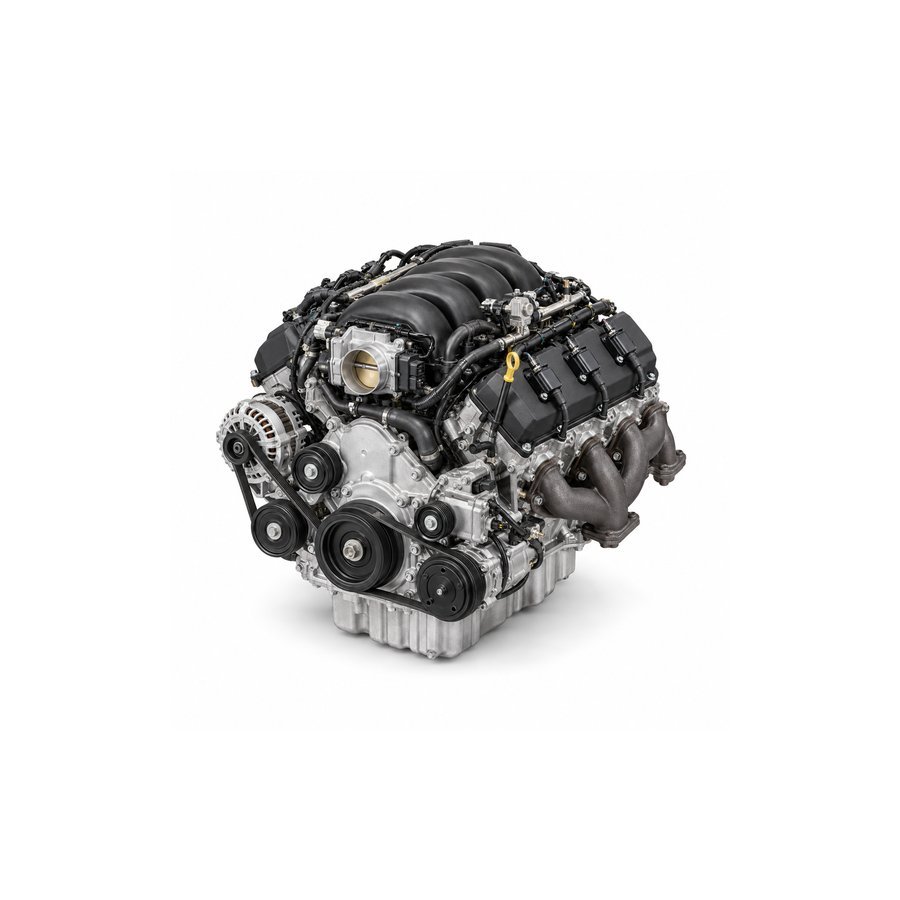
GM Gen V EcoTec3 4.3L V6 LV3 & LV1: Specs, Engine Codes, Controllers & Maintenance
Engine Information · GM · Small-block · Gen V
Gen V EcoTec3 4.3L V6 LV3 & LV1
This aluminum 4.3L uses direct injection and variable cam timing in a modern pushrod V6. LV3 is the pickup version with AFM; LV1 is the van application without AFM. Those codes distinguish it from the older iron-block LU3.
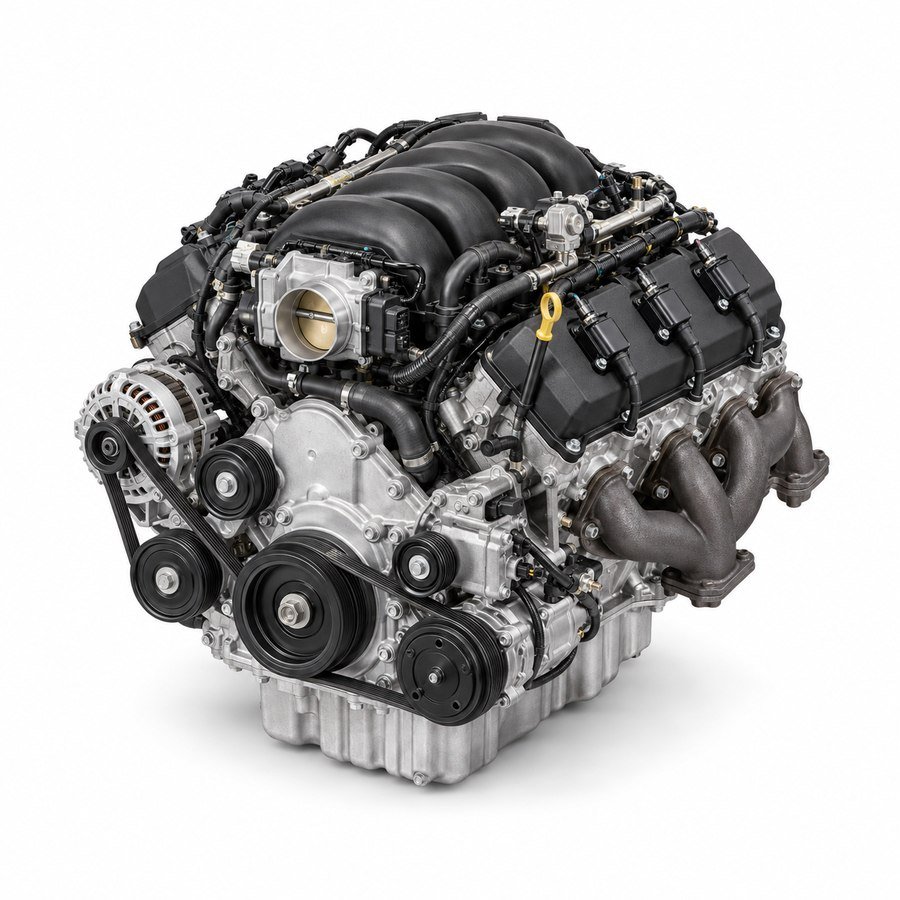
Engine construction
| Specification | Details |
|---|---|
| Capacity / layout | 4.3L · 90° V6 |
| Construction | Aluminum block and heads |
| Valve gear | OHV · 2 valves per cylinder · variable cam timing |
| Fuel / induction | Direct injection · naturally aspirated |
| Valves | 12 |
| Cylinder deactivation | LV3: AFM · LV1: no AFM |
Codes & output
| RPO / version | Power / torque | Key difference |
|---|---|---|
| LV3 | 285 hp / 305 lb-ft | Silverado / Sierra pickup |
| LV1 | 276 hp / 298 lb-ft | Express / Savana van |
SAE horsepower; torque in lb-ft. Ratings are for the stated application and fuel, rather than every vehicle with this RPO.
Vehicles & model years
| Brand | Model | Model years | Platform / chassis | Engine RPO |
|---|---|---|---|---|
| GMC / Chevrolet | Sierra / Silverado 1500 | 2014–2018; selected 2019–2021 builds | K2XX / T1XX | LV3 |
| GMC / Chevrolet | Savana / Express | 2018–2026 | GMT610 | LV1 |
U.S. and Canadian applications within the 2005–2026 matrix scope. Engine availability depends on trim, build date and emissions certification.
Engine controllers
| Application / revision | ECM or PCM | Identification & function |
|---|---|---|
| Gen V 4.3L installations | GM E92-family ECM | Direct-injection fuel pressure, cam timing, throttle and torque control; confirm hardware/service ID |
| LV3 versus LV1 | Different operating systems / calibrations | AFM applies to LV3; van and pickup torque/transmission settings are not interchangeable |
Identify the module from its service number, operating-system ID and VIN. The ECM/PCM and transmission controller have separate calibrations on many applications; a matching RPO alone does not make a replacement module plug-and-play.
Common issues & maintenance
- AFM lifter / valvetrain faultsA new tick with a persistent cylinder misfire can indicate a collapsed lifter, damaged pushrod or cam wear. Check compression and valve movement; not every misfire is a lifter. AFM diagnosis applies to LV3, not LV1.
- Direct-injection faultsInjector leakage or incorrect delivery can cause rough starts, misfires or fuel dilution. Fuel-pressure and cylinder tests identify the fault.
- Oil-pressure faultsOil-pump control and sensor faults need mechanical pressure verification and scan data. Use the correct filter and oil before condemning the pump.
Keep it healthy. Use the specified dexos oil; these 4.3L applications commonly require 5W-30 rather than the 0W-20 used in several Gen V V8s. Check oil for fuel dilution when injectors leak, and repair a persistent misfire before catalyst damage.
References & technical sources
| Source | Reference |
|---|---|
| GM applications & RPO diagnostic matrices | View source |
| EFILive GM gasoline controller families | View source |
| GMC 2017 Sierra factory brochure | View source |
| GM 19-NA-219: misfire diagnosis | View source |
| GM TechLink 2026 U.S./Canada oil chart | View source |
| GM 18-NA-137: LV1 injector diagnosis | View source |